

Your baby's health and wellbeing

Abusive head trauma
Abusive head trauma is head, neck or brain injury from shaking a baby on purpose. Learn what happens if they are shaken and how to stop them crying.
Baby acne
Baby acne can cause red spots and whiteheads on your baby’s skin. Learn more about the causes and treatment of baby acne, and when to see a doctor.
Birthmarks
A birthmark is a mark on the skin that is present when your baby is born or shortly after. Learn more about the different types and treatment options.
Breathing difficulties in babies
Breathing difficulties in babies can be a medical emergency. Learn about the symptoms and what to do if your baby is having breathing problems.
Chickenpox in babies and children
Chickenpox is generally a mild viral illness in children and babies. Find out what to do if you think your child has chickenpox and how to treat it.

Circumcision
Circumcision is surgery to remove the foreskin of the penis. There are several reasons to have this procedure. Learn about the risks and benefits.
Colds and flu in babies and children
Colds will often get better on their own, but the flu can be serious for babies and children. Learn more about treatment and vaccination.

Constipation in babies (0 to 1 years)
Constipation is when your baby's stool is hard and dry, making it difficult to pass poo. Read on to learn what is normal, or how to treat constipation.
Coughs in babies
Your baby’s cough is a symptom of many different conditions, some urgent, read ahead for tips to relieve their cough, treatment and prevention.
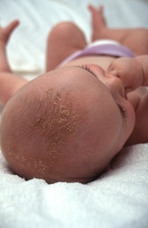
Cradle cap
Cradle cap is yellowish, greasy scaly patches that form on young babies’ scalps. It’s common and harmless. Learn more about cradle cap treatments.
Croup
Croup is very common in children under 5 years old. Learn about croup symptoms, treatment, and when to seek urgent medical help.
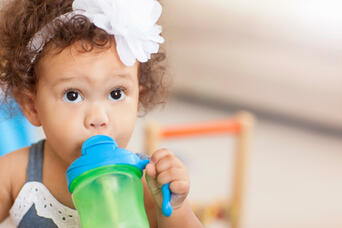
Dehydration in babies
Babies become dehydrated when their body loses more fluids than they take in. If your baby has signs of severe dehydration, get urgent medical help.
Dental care for babies and children
Find out how to look after your baby or child’s teeth, how they develop and when to see a dentist.

Diarrhoea in babies and children
Diarrhoea in babies and children is common. Learn more about the symptoms of diarrhoea and how to stop your child from becoming dehydrated.

Eczema in babies and children
Eczema in babies and children causes dry, itchy skin. Learn symptoms, triggers, treatment and when to see your doctor.

Fetal alcohol spectrum disorder (FASD)
Fetal alcohol spectrum disorder (FASD) is a range of conditions caused by exposure to alcohol during pregnancy. Learn more about FASD here.
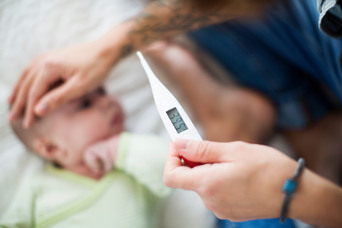
Fever in babies
Find out how to take your baby's temperature with a thermometer and what’s a normal temperature for a baby. Learn what to do if your baby has a fever.

Fever in babies and children - infographic
Find out what to do if your child has a fever, when to see a doctor and how you can treat your child’s fever at home.
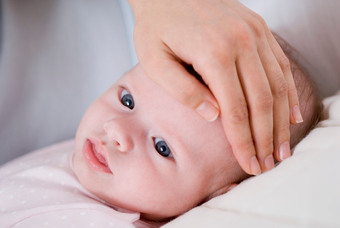
Flat head in babies
Plagiocephaly (flat head) is an uneven or misshaped head. It is very common in young babies but usually eases when they can sit up on their own.
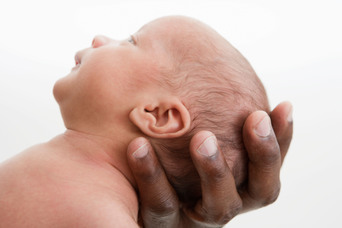
Fontanelle
Fontanelles are soft spots on a baby's head where the skull bones have not yet completely fused together. Learn what signs may be a health problem.
Fragile X syndrome
People with Fragile X syndrome have intellectual disability, behavioural and learning challenges as well as certain physical characteristics.

Gastroenteritis in babies
Gastroenteritis (gastro) is an infection of your baby’s digestive system. Learn about the causes, symptoms and treatment of gastro in infants.
GORD in babies
Gastro-oesophageal reflux disease (GORD) in babies can happen with ongoing reflux. Learn more about the causes, treatment and prevention of GORD.
Haemophilus influenzae type b (Hib) in babies
Haemophilus influenzae type b (Hib) is a dangerous infection in babies. Learn about prevention of Hib through routine childhood vaccination.
Having a baby with health problems at birth
Some babies are born early or with a condition that means they need additional care. Find out what to expect in the weeks after your baby's birth.
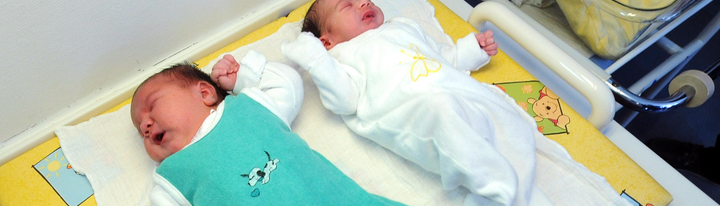
Having a large baby
A baby weighing more than 4.5kg at birth is considered a large baby (fetal macrosomia). Here's what to expect if your baby is larger-than-average.
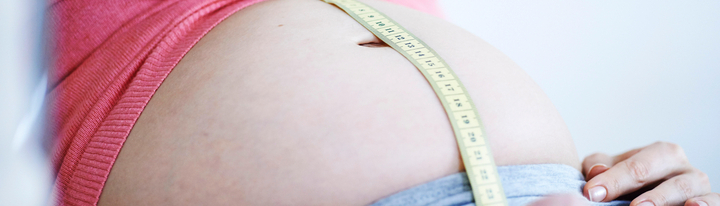
Having a small baby
Most babies born with a lower birthweight than average are normal and healthy, but some may be affected by foetal growth restriction.

Heat-related illness in babies
Babies are at higher risk of heat-related illnesses, including life-threatening heatstroke. Learn how to recognise and treat these conditions.
Hip dysplasia in babies
Hip dysplasia is a problem with how a baby's hip develops. Find out more about the symptoms, diagnosis and treatment including using a specialised brace.
How to know when your baby is well - video
Knowing that your baby is well gives you confidence and peace of mind as a parent.
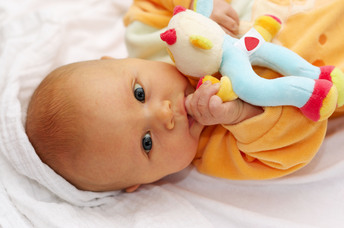
Jaundice in babies
Jaundice is common in newborn babies and is usually harmless, disappearing after 1 to 2 weeks. Find out about jaundice in newborn babies.
Low muscle tone (hypotonia) in babies and toddlers
If your child has low muscle tone, their muscles they may seem floppy. Often it is a sign of a health condition. Read more on symptoms and treatment.
Medical tests for babies
Medical tests for babies can check for health problems, explain symptoms and plan the right care. Learn more about common tests and what to expect.
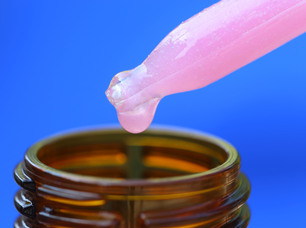
Medicines for babies and children
Get practical tips on giving your baby or child medicine, measuring doses correctly and what to do if your child have side effects.
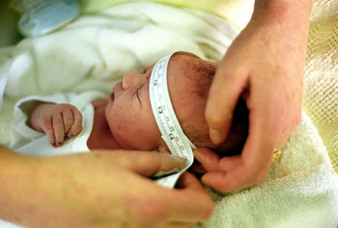
Microcephaly
Microcephaly is a rare condition that happens when your baby’s brain grows differently. Read about the causes or microcephaly including Zika virus.
Mouth ulcers in babies
Mouth ulcers can cause your baby pain, discomfort and even dehydration — read on to learn how to identify, manage and prevent their spread.
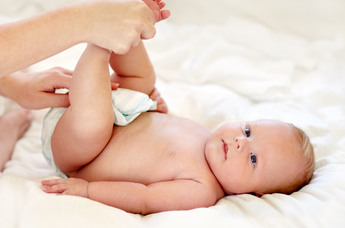
Nappy rash
Most babies will get nappy rash at some point in their first 18 months. Find out more, including how to recognise, treat and prevent nappy rash.
Necrotising enterocolitis (NEC)
Necrotising enterocolitis (NEC) is when part of the bowel gets inflamed and some cells die. Learn more about symptoms, causes and treatments.
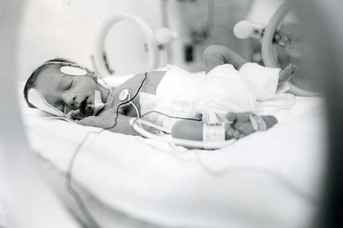
Neonatal intensive care unit (NICU)
Learn about the neonatal intensive care unit (NICU), where premature or very ill babies are cared for by highly specialised medical teams.

Newborn health - head to toe infographic
Use this handy guide to learn about your baby’s health from head to toe.
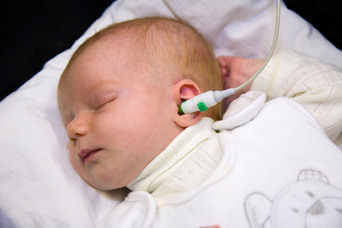
Newborn hearing screening test
A newborn hearing screening test checks for hearing issues in babies soon after birth, so hearing loss can be detected and managed early.
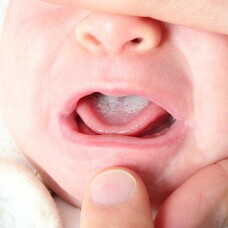
Oral thrush in babies and children
Oral thrush is a yeast infection that’s very common in babies. Find out more about what thrush looks like and how you can treat it.
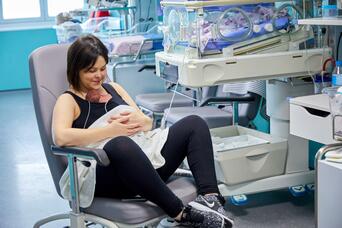
Pain management in babies
Babies can experience pain, but can't tell you how they are feeling. Learn the signs that your baby might be in pain and how to help soothe them.
Positional talipes
Positional talipes is when your baby is born with their foot in an unusual position. Learn more about how positional talipes is diagnosed and treated.

Routine health checks for babies and children
Routine health checks with a child health nurse or GP will check your child's growth and development and keep up to date with their routine vaccinations.
Runny or blocked nose in babies
A runny or blocked nose is usually not serious, but can be upsetting for babies and parents. Learn about treatment options and when to see a doctor.
Sepsis in babies and children
Sepsis is a severe inflammatory reaction to an infection in your child’s body. If you think your child has sepsis seek urgent medical help.
Signs of sepsis in babies and children
Sepsis happens when the body reacts to an infection by damaging itself. Learn about the symptoms to look out for and when to seek medical help.
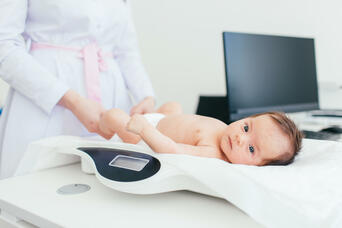
Slow weight gain
Slow weight gain, previously known as 'failure to thrive’, is when a baby doesn’t grow as expected. Learn about why it happens and what to do.
Special care nursery (SCN)
A special care nursery (SCN) is where your newborn baby can get stronger while being cared for by specially trained staff. Read more about the SCN.
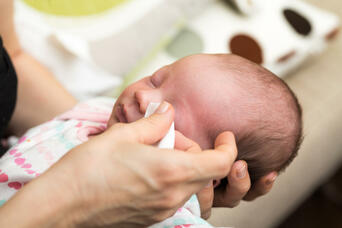
Blocked tear ducts in babies
A blocked tear duct in babies is also known as sticky eye. If your baby has a watery or sticky eye, ask your doctor to check it out.
Styes and chalazions in babies
Styes and chalazia can be worrying but normally heal on their own. Read on to learn how to identify them, and make your baby more comfortable.
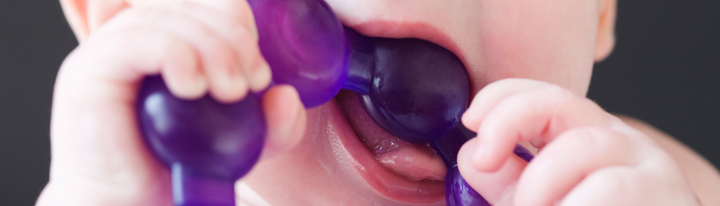
Teething and baby teeth
Teething starts between 4 and 10 months. Teething babies can be fussy and cranky. Learn how to ease your baby's teething pain and care for new teeth.
Tongue-tie
Babies born with tongue-tie can’t move their tounge freely. Having tongue-tie can make feeding more difficult for your baby, but help is available.
Tooth arrival chart
Babies are usually born with 20 baby teeth. Use this chart to see when you can expect their teeth to come through.
Umbilical granuloma in babies
An umbilical granuloma can develop at the base of your baby’s umbilical cord stump. Read about the symptoms and treatment for umbilical granuloma.
Umbilical hernia in babies
Umbilical hernias are common in babies. They cause a soft lump near your baby’s belly button (umbilicus), and usually go away on their own.
Understanding your newborn baby’s body
Your newborn baby may look a little different than expected or have symptoms that worry you. Find out what’s normal and when to seek help.
Undescended testicles
Undescended testicles is when one or both testicles don't come down into the scrotum before birth. Learn about symptoms, health risks and treatment.
Vaccinations guide
Immunisation protects children (and adults) against harmful infections. Use this handy chart to keep track of when your baby will need their immunisations.
Vitamin D for babies
Vitamin D is important for your baby’s growth. They get vitamin D from being in the sun. Learn about the signs of low vitamin D and how to prevent it.
Vomiting in babies
Vomiting is a symptom of many conditions and can be dangerous for babies. Read more to know what to do if your baby vomits and when to seek help.
Whooping cough in babies and children
Whooping cough is very serious in babies and young children. Find out about the symptoms and how to prevent it through free vaccination.
Your newborn baby’s health - head to toe
Read about your baby’s health from head to toe to help spot any problems early, and know when you need to seek health advice from a doctor or nurse.