
Speak to a maternal child health nurse
Call Pregnancy, Birth and Baby to speak to a maternal child health nurse on 1800 882 436 (Opens in new tab) or video call. Available 7am to midnight (AET), 7 days a week.

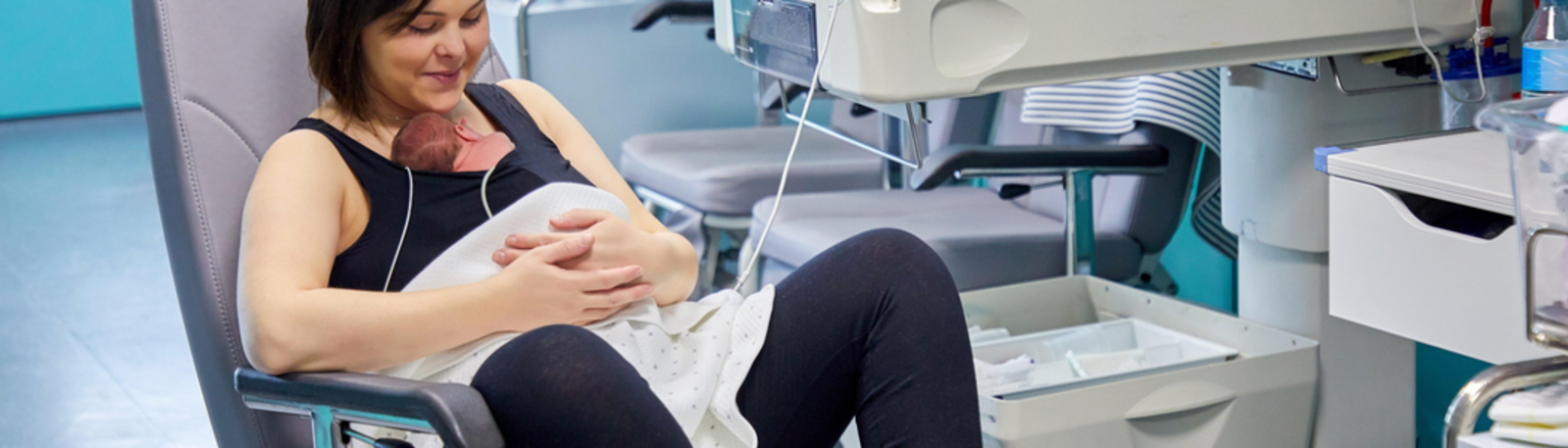
Pain management in babies means understanding when your baby is in pain and then helping them to feel better with medicines or other pain reducing techniques. If your baby seems very unwell or the pain doesn't go away, contact a doctor.
It can be hard to know if a baby is in pain, because they can't tell you how they feel. There are signs that can help you recognise when your baby is in pain. For example, they may:
If your baby is unwell, injured or has had surgery, they may be in pain.
Teething can also be painful, even though it is a normal part of your baby's development.
In the first year of life, most babies will have several medical procedures. These may cause minor pain and distress but are important for their health.
In the first 3 days of your newborn's life, a small amount of blood will be taken from their heel for the newborn screening test (or 'heel prick test') to check for rare but serious conditions. You will also be offered a number of vaccinations to help prevent serious contagious diseases.
If your baby is born prematurely or with a medical problem, they may need additional procedures such as:
While these procedures may cause your child some pain in the short-term, the aim is to ensure their long-term health and wellbeing.
As a parent, you know your child best. If your baby sounds, looks or behaves in an unusual way and you are worried that they may be in pain, seek medical advice.
It's important to see a doctor if your baby:
A doctor can examine your baby to find out what is causing their pain and for signs such as an unusual heart rate or blood pressure.
There are several ways you can help soothe your baby when they're in pain.
You are one of the greatest sources of comfort to your baby. Just being close to them may have a calming effect.
Some other pain reducing techniques include:
If your newborn undergoes a painful procedure, their doctor or nurse may suggest you:
These techniques are proven to have a calming and pain-relieving effect on newborns.
You can give your baby medicines such as paracetamol (Opens in new tab) and ibuprofen (Opens in new tab) for short-term relief of symptoms such as pain or fever. While they won't treat the cause of the pain, they can make your baby feel and sleep better.
Read the dosing instructions on the pack carefully. It's important to make sure that you give your child the correct dose of pain medicines. The amounts your baby needs depends on their weight and the strength of the product you buy. The strength (concentration) of the medicine can vary from product to product.
Giving your child too much medicine or giving it too frequently could be harmful. Ask your pharmacist if you are unsure of the correct dose of medicine for your baby.
See a doctor if your baby or child needs paracetamol or ibuprofen for more than 48 hours.

Call Pregnancy, Birth and Baby to speak to a maternal child health nurse on 1800 882 436 (Opens in new tab) or video call. Available 7am to midnight (AET), 7 days a week.
Find out how we develop and review our content.
Last reviewed: September 2024


