Skip to content
Pregnancy, Birth and Baby homeAustralian Government, Department of Health, Disability and Ageing (Opens in new tab)
Pregnancy, Birth and Baby home
Need to talk? Call 1800 882 436.
It's a free call with a maternal child health nurse. *call charges may apply from your mobile.
Is it an emergency? Dial 000
If you need urgent medical help, call triple zero immediately.
  1. Home/
  2. Babies/
  3. Your baby's health and wellbeing/
  4. Vitamin D for babies

Vitamin D for babies

Key facts

  • Vitamin D is important for your baby's development, especially their bones and muscles.
  • Your baby will get most of the vitamin D they need from sunlight.
  • Rickets is a bone deformity caused by very low vitamin D deficiency over time.
  • If you think your baby might have low vitamin D, see your doctor — they can talk to you about treatment options including vitamin supplements.
  • On this page

    • What is vitamin D?
    • Why is vitamin D important for my baby?
    • How can my baby get vitamin D?
    • What are the causes of low vitamin D in babies?
    • What are the signs my baby might have low vitamin D?
    • When should I see my doctor?
    • How is low vitamin D diagnosed?
    • How is low vitamin D treated?
    • What are the possible complications of low vitamin D?
    • Resources and support

    What is vitamin D?

    It's important for your body to have enough Vitamin D. It is produced in your skin when you are exposed to sunlight.

    Unlike other vitamins and minerals, only a small amount of vitamin D is found in food.

    Why is vitamin D important for my baby?

    Vitamin D is important for your baby's development. Vitamin D helps your baby absorb nutrients like calcium (Opens in new tab) and potassium (Opens in new tab) to build strong bones and teeth.

    Vitamin D also:

    • plays a role in your baby's early brain development
    • helps your baby build strong muscles
    • helps your baby develop a healthy immune system

    How can my baby get vitamin D?

    Babies can make most of the vitamin D they need in their skin. This happens when they are exposed to sunlight.

    A very small amount of vitamin D can be found in foods like:

    • fish
    • eggs
    • foods with added vitamin D like some milk, butter and infant formula

    Breastmilk does not contain much vitamin D.

    What are the causes of low vitamin D in babies?

    Your baby may have low vitamin D levels if they don't get enough sunlight. Babies may have low vitamin D when they:

    • spend a lot of time indoors
    • spend time outdoors fully covered in clothes
    • have darker skin

    Babies who are exclusively breastfed also have a higher chance of having low vitamin D.

    What are the signs my baby might have low vitamin D?

    Babies with low vitamin D may:

    • develop or grow slowly
    • get tired easily when playing or being active
    • be irritable

    Low vitamin D can lead to problems absorbing calcium into your body. If your baby has low calcium, they may have:

    • muscle weakness
    • muscle cramps
    • bone pain
    • seizures

    Seizures are an uncommon symptom. They are most likely to happen in babies under 12 months old.

    If your child is having a seizure, stay with them until the seizure has finished. Call an ambulance if:

    • this is their first seizure
    • the seizure lasts longer than 5 minutes
    • they are unresponsive for more than 5 minutes
    • they have another seizure

    Some babies with low vitamin D do not have any symptoms.

    CHECK YOUR SYMPTOMS — Use the Symptom Checker and find out if you need to seek medical help.

    When should I see my doctor?

    If you think that your child has low vitamin D, speak to your doctor. They can help diagnose and treat low vitamin D.

    FIND A HEALTH SERVICE — The Service Finder can help you find doctors, pharmacies, hospitals and other health services.

    How is low vitamin D diagnosed?

    To diagnose vitamin D deficiency (shortage in the body), your doctor will examine your baby.

    They will check your baby's skin type to see if they are likely to have low vitamin D.

    They can check if your baby has met developmental milestones for their age.

    If your doctor thinks that your baby has vitamin D deficiency they may order blood tests. The tests can tell them your baby's vitamin D levels, and how much more vitamin D they need.

    How is low vitamin D treated?

    There are ways that low vitamin D in babies can be treated.

    Vitamin D supplements

    If you're pregnant, you may need to take a vitamin D supplement. This can help your baby have enough vitamin D in their first few months of life.

    If your baby has low vitamin D, they should be treated to get their levels back to normal. You can get vitamin D supplements from your local pharmacy. You do not need a prescription. How much vitamin D your child needs will depend on how old they are, and how severe their deficiency is. Talk to your doctor or pharmacist.

    Vitamin D supplements come as a liquid. Some come with a dropper, and others can be measured with a syringe.

    Give your baby their vitamin D dose based on your doctor's advice.

    Here are some tips for giving your baby vitamin D supplements:

    • Use a medicine syringe, rather than a teaspoon to measure the dose correctly.
    • Put the dose they need directly into their mouth — you can aim for the inside of their cheek.
    • Do not put the vitamin D dose in your baby's bottle or mix it with their food — they may not finish it.
    • If you miss a dose follow the instructions on the pack or ask your pharmacist what to do.

    After 3 months of treatment, your baby should have another blood test to check their vitamin D levels.

    Time in the sun

    You can help your baby to spend time outside in the sun to get enough vitamin D.

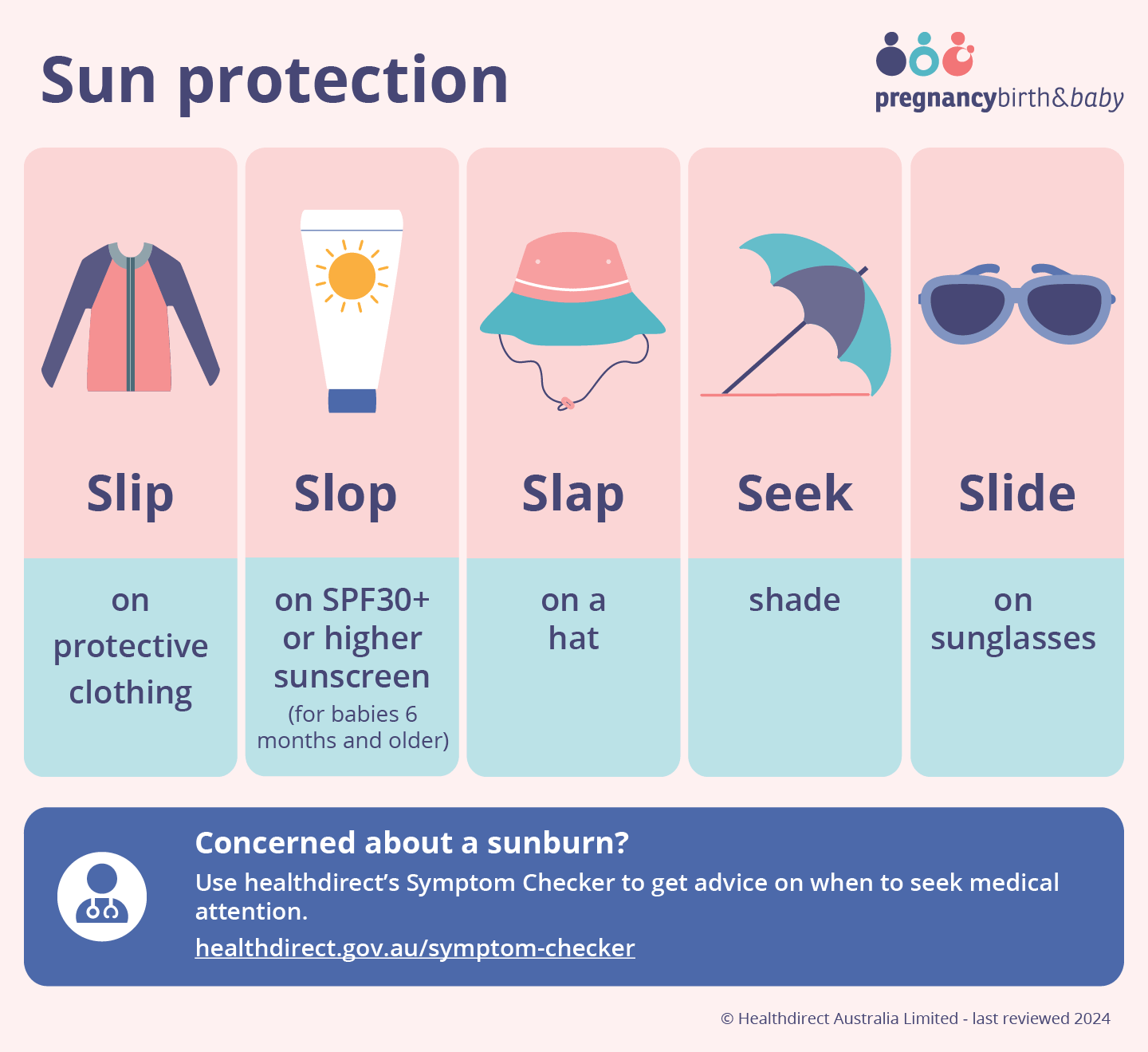
    It is still important to be sun safe. To protect your baby's skin and eyes, dress them with a hat and sunglasses. If your baby has fair skin, using sunscreen as recommended will not stop them from getting enough vitamin D. If your baby has dark skin, short periods outside without sunscreen can help them get enough vitamin D.

    Sun protection infographic: Slip, Slop, Slap, Seek and Slide.

    Sun protection: Slip, Slop, Slap, Seek and Slide. You can download this image in PDF format.

    Calcium

    If your baby has low vitamin D, it's also important that they have enough calcium.

    Babies get calcium from breastmilk or formula milk.

    From 6 months old, children can get calcium from:

    • cow's milk
    • cheese
    • yoghurt
    • non-dairy milk with added calcium

    Babies under 12 months old should not be given cow's milk as their main drink.

    What are the possible complications of low vitamin D?

    Severe vitamin D deficiency can lead to nutritional rickets.

    Rickets (Opens in new tab) is a bone disease that causes soft, weak bones. If your child has rickets, they may have:

    • bowed legs
    • teeth that come through late
    • dental caries (cavities in their teeth)
    • ribcage deformities

    If your doctor thinks your child has rickets, they may order an x-ray to find out more.

    Resources and support

    Visit the Cancer Council website for information on how much sun exposure is needed to get enough vitamin D (Opens in new tab).

    Speak to a maternal child health nurse

    Call Pregnancy, Birth and Baby to speak to a maternal child health nurse on 1800 882 436 (Opens in new tab) or video call. Available 7am to midnight (AET), 7 days a week.

    • Eat For Health — Vitamin D (Opens in new tab)
    • Royal Children's Hospital Melbourne — Kids health information - vitamin D (Opens in new tab)
    • BMJ Best Practice — Vitamin D deficiency (Opens in new tab)
    • MDPI nutrients — Vitamin D: Before, during and after Pregnancy (Opens in new tab)
    • Royal Children’s Hospital — Clinical Practice Guidelines - Vitamin D deficiency (Opens in new tab)
    • Eat For Health — Calcium (Opens in new tab)
    • Royal Women’s Hospital — Vitamin D supplements for babies (Opens in new tab)
    • Royal Women's Hospital — Vitamin D for you and your baby (Opens in new tab)
    • WA Health — Vitamin D supplements (Opens in new tab)

    Find out how we develop and review our content.


    Last reviewed: July 2025

    Need more information?

    These trusted information partners have more on this topic.

    Vitamin D | Dietitians Australia

    Vitamin D is both a nutrient we eat and a hormone our bodies make. We need vitamin D, but it doesn't all have to come from your diet. That’s important to know because there are few foods that are reliable sources of vitamin D. If you spend enough time in the sun, then your body can make all the vitamin D it needs.
    Dietitians Australia logo
    Learn more on Dietitians Australia website

    Vitamin D & Bone Health | Vitamin D Deficiency

    Vitamin D is needed to absorb calcium from the intestine. Vitamin D also plays a role in supporting growth and maintenance of the skeleton and regulating calcium levels in the blood.
    Healthy Bones Australia logo
    Learn more on Healthy Bones Australia website

    Vitamin D | Eat For Health

    Vitamin D Download as PDF Background The major function of Vitamin D in humans is to maintain appropriate serum calcium concentrations by enhancing the ability of the small intestine to absorb calcium from the diet. Vitamin D also plays a role in enhancing absorption of phosphorus from the diet, but the blood concentration of phosphorus is not well regulated and varies according to supply and the renal excretory threshold.
    NHMRC logo
    Learn more on NHMRC website

    Vitamin D | Better Health Channel

    A balanced approach to sunlight exposure will help you get enough vitamin D while protecting against skin cancer.
    Better Health Channel logo
    Learn more on Better Health Channel website

    Vitamin D | Pathology Tests Explained

    Vitamin D is vital for the growth and health of bone; without it, bones will be soft, malformed, and unable to repair themselves normally, resulting in the d
    Pathology Tests Explained logo
    Learn more on Pathology Tests Explained website

    Kids Health Info : Vitamin D

    Royal Children's Hospital logo
    Learn more on Royal Children's Hospital website

    Rickets | Better Health Channel

    Rickets is a preventable childhood bone disease caused by a lack of vitamin D.
    Better Health Channel logo
    Learn more on Better Health Channel website

    Fact Sheets - Healthy Bones Australia

    Comprehensive Consumer Guide This Guide includes information on various topics including osteoporosis, risk factors, calcium, vitamin D, exercise and
    Healthy Bones Australia logo
    Learn more on Healthy Bones Australia website

    Vitamin C | Eat For Health

    Vitamin C Download as PDF Background Vitamin C (L-ascorbic acid or ascorbate) is the generic descriptor for compounds having antiscorbutic activity. Most animals can synthesise vitamin C from D-glucose but humans and other primates, together with guinea pigs, fruit bats, some passeriform birds, some fish and some insects, are exceptions. Humans and primates lack a key enzyme, L-3 gulonolactone oxidase, necessary for the biosynthesis of vitamin C (Nishikimi et al 1994).
    NHMRC logo
    Learn more on NHMRC website

    Pregnancy and Bone Health - Healthy Bones Australia

    If you have normal levels of vitamin D during your pregnancy, you will be able to provide the right amount for your health and for your baby’s needs.
    Healthy Bones Australia logo
    Learn more on Healthy Bones Australia website

    Find a health service

    Search now

    Need further advice or guidance from our maternal child health nurses?
    1800 882 436 Video call
    Logo for Pregnancy, Birth and Baby

    Pregnancy, Birth and Baby is funded by the Australian Government and operated by Healthdirect Australia.

    About

    About Pregnancy, Birth and BabyAbout our contentInformation partnersOur privacy commitmentTerms of useHow we use AIPromotional material

    Explore

    A to Z topicsDue date calculatorFind local health servicesGlossary of pregnancy and labourPregnancy and parenting in picturesPregnancy and baby appsSymptom Checker (Opens in new tab)

    Connect

    Contact usVideo callNewslettersLinking to us (Opens in new tab)Consumer engagement (Opens in new tab)

    Follow

    Australian Government, Department of Health, Disability and AgeingLogo for healthdirect Australia

    Pregnancy, Birth and Baby’s information and advice are developed and managed within a rigorous clinical governance framework (Opens in new tab).

    This site is protected by reCAPTCHA and the Google Privay Policy (Opens in new tab) and Terms of Service (Opens in new tab) apply.

    Healthdirect Australia acknowledges the Traditional Owners of Country throughout Australia and their continuing connection to land, sea and community. We pay our respects to the Traditional Owners and to Elders both past and present.

    © 2026 Healthdirect Australia Limited

    This information is for your general information and use only and is not intended to be used as medical advice and should not be used to diagnose, treat, cure or prevent any medical condition, nor should it be used for therapeutic purposes.
    The information is not a substitute for independent professional advice and should not be used as an alternative to professional health care. If you have a particular medical problem, please consult a healthcare professional.
    Except as permitted under the Copyright Act 1968, this publication or any part of it may not be reproduced, altered, adapted, stored and/or distributed in any form or by any means without the prior written permission of Healthdirect Australia.