
Speak to a maternal child health nurse
Call Pregnancy, Birth and Baby to speak to a maternal child health nurse on 1800 882 436 (Opens in new tab) or video call. Available 7am to midnight (AET), 7 days a week.

Here are some of the ways your body will prepare both you and your baby for the birth ahead.
In the weeks or days before you start having proper contractions, you may experience Braxton Hicks contractions. This is your uterus tightening then relaxing. These contractions don't usually hurt and are thought to help your uterus and cervix get ready for labour. Braxton Hicks contractions are sometimes referred to as 'false labour'.
Braxton Hicks contractions may become more regular as you get closer to the time of birth. Unlike labour contractions, they don't change the shape of the cervix. Your midwife can tell you if you're experiencing Braxton Hicks contractions or if you are in labour by doing a vaginal examination.
As labour gets closer, your cervix softens and becomes thinner, getting ready to dilate (widen). This will allow your baby to enter your vagina during birth. You may also see a 'show', which is a pinkish plug of mucus that may be bloodstained.
Your baby may move further down your pelvis as the head engages, or sits in place over your cervix, ready for the birth. You may feel that you have more room to breathe after the baby has moved down. This is called 'lightening'.
During labour, the sac of amniotic fluid containing the baby breaks, and the fluid leaks (or gushes) out of the vagina. This is called rupture of the membranes or 'waters breaking'. In some cases, this happens before labour.
Let your maternity team know when your waters have broken and take notice of the colour of the fluid. It is usually clear or tinged pink. If it is green or red, tell your maternity team since this could mean the baby is having problems.
If your labour doesn't start within 24 hours of your waters breaking, there is a risk of infection. If this happens, your doctor or midwife may recommend inducing your labour.
Movies often show labour starting with sudden, painful contractions and a rush to hospital. In real life, labour usually starts gradually. It's common not to be sure if your labour has actually started.
You may feel restless, have back pain or period-like pain, or digestive issues such as diarrhoea (Opens in new tab).
Labour officially begins with contractions, which start working to open up (dilate) the cervix. It's a good idea to phone your midwife when your contractions start. However, you may not be encouraged to come to the hospital or birthing centre until your contractions are closer together.
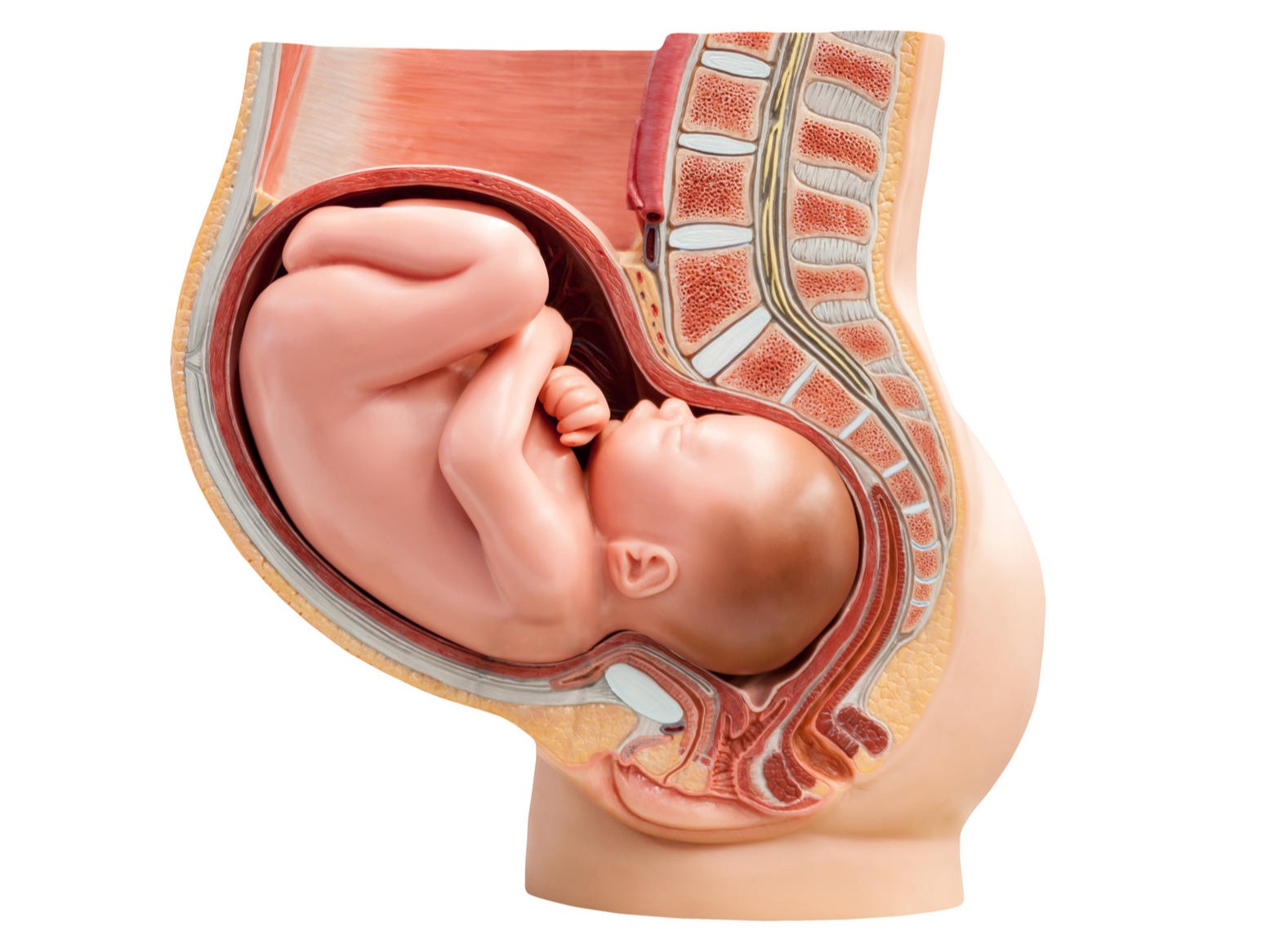
In preparation for labour, your baby may move further down your pelvis as the head engages, or sits in place over your cervix.
You and your baby's bodies work together during labour and birth.
Your pelvis is located between your hip bones. Females typically have wider, flatter pelvises than males, as well as a wider pelvic cavity (hole) to allow a baby to pass through.
During childbirth, the muscles at the top of your uterus contract and push your baby towards your cervix. If your baby is facing head-down, the head will press on your cervix.
This, along with the release of the hormone oxytocin (see 'How hormones help you give birth', below), brings on contractions. The bones and ligaments of your pelvis also move or stretch as the baby travels into the vagina.
Your baby's skull is made up of 5 separate bones, which can cross over each other during labour. This allows your baby's head to fit more easily through your birth canal.
Your body produces hormones that trigger changes in your body before, during and after childbirth. Here's how they work to help you deliver your baby.
Despite your best efforts, sometimes, labour and birth do not go to plan. This could be because of complications before the labour, such as your waters breaking early, problems with your placenta, or issues with your baby's position, health or progress during labour. If this happens, your midwife or doctor may recommend intervening to ensure a safe birth for both you and your baby.
Some of the more common interventions include:
It's your choice whether to have interventions in your labour. You can ask your doctor or midwife about the benefits and risks of any intervention they recommend.
Talk to your doctor or midwife if you have questions about your body. They can give you more information and help you understand what you're experiencing.
You can also call Pregnancy, Birth and Baby for free advice, support and guidance from our maternal child health nurses.

Call Pregnancy, Birth and Baby to speak to a maternal child health nurse on 1800 882 436 (Opens in new tab) or video call. Available 7am to midnight (AET), 7 days a week.
Find out how we develop and review our content.
Last reviewed: August 2023





