Speak to a maternal child health nurse
Call Pregnancy, Birth and Baby to speak to a maternal child health nurse on 1800 882 436 (Opens in new tab) or video call. Available 7am to midnight (AET), 7 days a week.

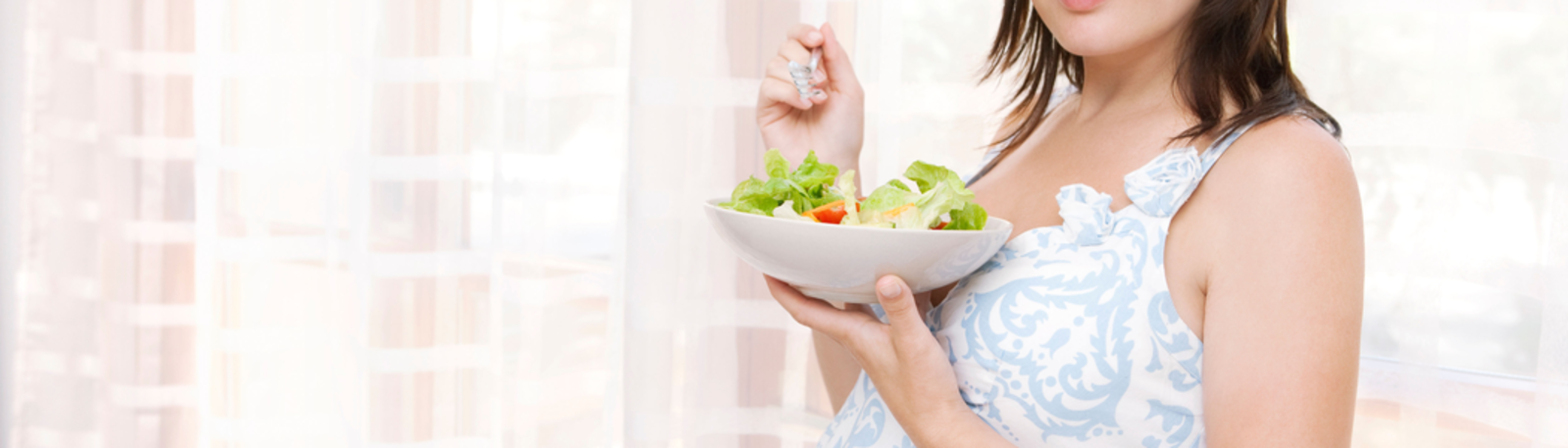
There are a few nutrients that are important before and during your pregnancy:
If you're planning to be become pregnant, talk with your doctor or midwife about which nutrients are important for you.
It's recommended that you start prenatal supplements 3 months before you start trying to fall pregnant.
It's key to have a balanced diet (Opens in new tab) during pregnancy and breastfeeding. During this time, what you eat supplies your baby with the nutrients they need.
A healthy, balanced diet has a wide variety of foods from the 5 food groups:
Some foods that make up a balanced diet, are not safe to eat during pregnancy.
If your family or culture have a specific pregnancy diet, there are ways to make sure you are getting enough nutrients.
Ask your doctor if a supplement (Opens in new tab) might be suitable for you.
During pregnancy, you will need more serves from the 5 food groups.
The 'serving size' doesn't always change, instead you should have a bigger variety of food and more serves per day. This will allow you to meet the needs of you and your baby.
| Food group | Serves per day |
|---|---|
| Vegetables and beans | 5 |
| Fruit | 2 |
| Grains and cereals, mostly wholegrain and/or high fibre cereal | 8 |
| Lean meat/fish/chicken/eggs/tofu/nuts | 3.5 |
| Milk/dairy foods | 3.5 |
There are some foods which need to be avoided during pregnancy, as they can carry bacteria such as listeria (Opens in new tab).
Eating food that has bacteria can cause serious complications for your baby.
Foods that can contain listeria include:
It's also important to check 'use-by' dates and to make sure that food has been stored correctly. If you are not sure about the safety of a food, the best choice is to not eat it.
Some types of fish have high levels of mercury, which can cause harm to your baby. It is important to check the serving size of fish when pregnant, to make sure you don't eat too much.
Fish that contains high levels of mercury include:
If you think you have eaten something you shouldn't have, contact your doctor or midwife straight away.

View full guide: Guide to food and drink during pregnancy.
It's recommended that you limit processed foods during pregnancy. Although these foods taste good and are often convenient, they aren't part of a balanced diet.
Foods you should limit include:
Food cravings during pregnancy are very normal, and about 9 out of every 10 people will have some cravings while they're pregnant.
Pregnancy can cause changes in your sense of taste, which changes the foods you think are appealing. Cravings can also be related to the stress of pregnancy, which can cause you to crave certain food.
You may also no longer enjoy a certain food (food aversion). This can happen due to hormone (Opens in new tab) changes.
It's important to be careful when preparing food during pregnancy. Food poisoning is generally caused when bacteria grows in food. Food poisoning (Opens in new tab) can be very harmful to your baby.
When preparing food (Opens in new tab), you should always:
The safest drinks during pregnancy are water and milk.
You should avoid drinking alcohol if you are pregnant or planning a pregnancy. Even small amounts can harm a baby's growth and may cause fetal alcohol spectrum disorder (FASD).
Small amounts of low sugar soft drinks, juice or mineral water are also fine to drink.
Small amounts of caffeine in tea and coffee are safe. During pregnancy and when breastfeeding, you should not drink more than 200mg a day of caffeine.
The rough amounts of caffeine found in drinks are:
It's normal to gain weight during pregnancy. The right amount of weight gain will depend on whether you were at a healthy weight before pregnancy.
Gaining too much weight increases the risk for you and your baby.
Using Body Mass Index (BMI) (Opens in new tab) is a good guide for how much weight gain is healthy during pregnancy.
Speak with your maternity care provider. If necessary, they can refer you to a dietitian (Opens in new tab) who specialises in pregnancy eating support.

Call Pregnancy, Birth and Baby to speak to a maternal child health nurse on 1800 882 436 (Opens in new tab) or video call. Available 7am to midnight (AET), 7 days a week.
Find out how we develop and review our content.
Last reviewed: April 2025