Speak to a maternal child health nurse
Call Pregnancy, Birth and Baby to speak to a maternal child health nurse on 1800 882 436 (Opens in new tab) or video call. Available 7am to midnight (AET), 7 days a week.

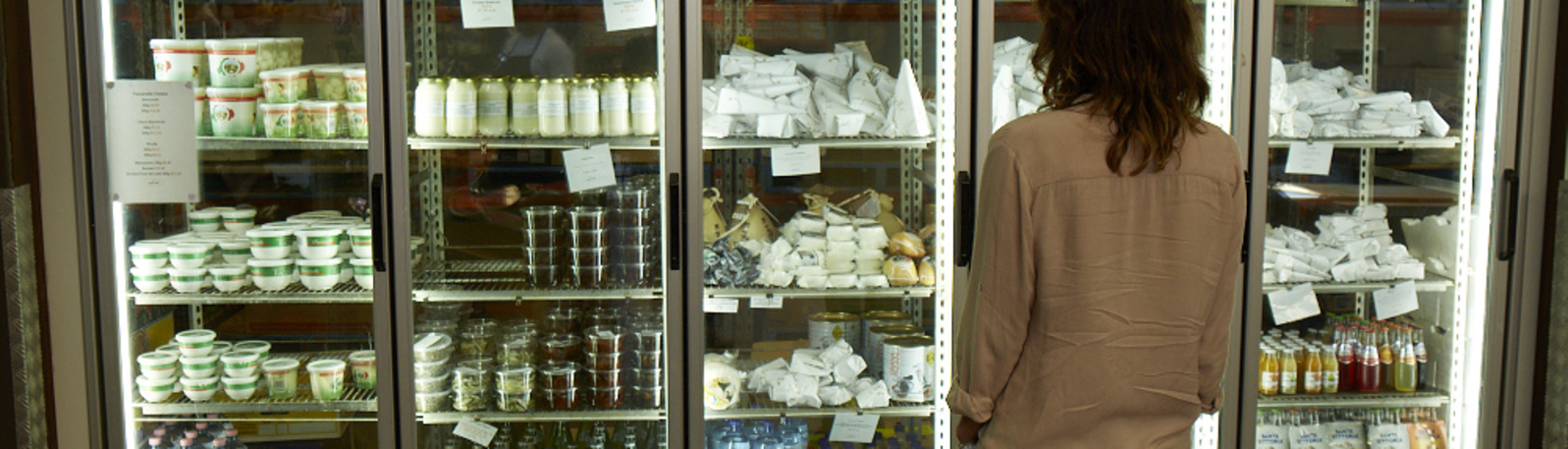
During pregnancy, your immune system (Opens in new tab) is weakened. This means you are more likely to get sick from viral (Opens in new tab) or bacterial infections (Opens in new tab).
For this reason, there are some foods you should avoid. If you’re unsure, talk with your midwife, GP or maternity care provider.
You should also follow basic food safety principles (Opens in new tab), such as:
View full guide: Guide to food and drink during pregnancy.
You should not eat soft cheeses, such as brie, camembert, blue cheese, ricotta and feta.
These cheeses may contain listeria (Opens in new tab), a type of bacteria. Listeria may contaminate the cheese during the manufacturing process.
You can eat these cheeses if they are cooked to at least 75°C and eaten straight away.
You should not eat soft-serve ice cream. It is stored at a temperature that allows listeria to grow. You can eat frozen ice cream and gelato.
You should not eat foods that contain raw or undercooked eggs, such as homemade mayonnaise, aioli, mousses or raw cake batter.
Do not use eggs with a dirty shell or eggs that were cracked and stored before use.
Fish is a healthy and nutritious part of your diet when you are pregnant.
It is important to limit your intake of large fish, such as:
Do not eat more than 150g in a 2-week period, and do not eat any other fish during that time.
These types of fish can contain high levels of mercury, which can be harmful.
Orange roughy (also called deep-sea perch) and catfish should be eaten no more than once a week. Do not eat any other fish during that week.
Other fish or seafood should be eaten no more than 2 to 3 times a week.
Do not eat raw or ready-to-eat fish or seafood. This includes raw oysters, sashimi, sushi, smoked salmon and pre-cooked prawns.
The safest way to enjoy sushi is to make your own.
You should avoid pre-prepared or pre-packaged fruit or vegetable salads, including those from buffets and salad bars. They are at risk of listeria contamination.
Do not eat rockmelon (cantaloupe) or any type of raw or lightly cooked bean sprouts, as they may contain listeria or salmonella (Opens in new tab).
At home, you should try to wash and scrub off dirt or other contaminants from your fruits and vegetables.
You should not eat raw or rare meat. Undercooked meat may contain bacteria, such as listeria and salmonella. Take care to make sure there is no pink left in pork, sausages and minced meat, including burgers.
Avoid cold cured meats, such as salami, ham and luncheon meat.
Do not eat:
Avoid all types of pâté. These may contain listeria. Hot takeaway chicken is safe to eat if you eat it immediately — store all leftovers in the fridge and use them within a day of cooking.
Avoid liver or liver products, as they contain a lot of vitamin A. This can be harmful to your baby.
Sesame seeds may contain salmonella. It is best to avoid all sesame products, including hummus, tahini and halva.
In Australia, drinking tap water is generally safe. You do not need to drink bottled or boiled water unless your local water supplier has issued a boil water alert or advised that your drinking water is unsafe.
If there is any concern about the safety of your water supply, use bottled water. This includes for brushing your teeth and making ice.
If bottled water is not available, you can boil the water:
Chlorine-based tablets can also be used to treat the water.
Be sure to stay hydrated while you’re pregnant by drinking enough water.
If you’re travelling overseas, avoid drinking tap water.
Eating a variety of healthy foods is good for you and your baby. Generally, the safest foods to eat are those that are freshly cooked or prepared.
Only drink and eat dairy products made from pasteurised milk. This type of milk is treated with mild heat to get rid of anything harmful.
You can eat hard cheeses such as cheddar, parmesan and edam.
Other types of cheese that you can eat are:
These should be stored in the fridge and eaten within 2 days of opening.
Make sure eggs are cooked until the whites and yolks are hard. This lowers the risk of salmonella.
You can eat commercially made products containing egg, such as mayonnaise. Make sure to store them correctly.
Fish contains protein (Opens in new tab) and essential omega-3 fatty acids, so it is recommended during pregnancy.
Cook fish and seafood to at least 63°C and eat them straight away.
You should try to include a variety of fruits and vegetables in your diet.
Wash fruit, vegetables and herbs to remove all traces of soil and dirt. Toxoplasma can sometimes be found in soil.
You must cook all meat and poultry to at least 75°C and eat it hot.
It is OK to eat processed meats if they are cooked to at least 75°C and eaten straight away. This includes salami, ham and luncheon meat.
There is no safe level of alcohol during your pregnancy. Alcohol can harm your unborn baby.
Fermented drinks can contain small amounts of alcohol due to the way that they are made. These drinks include:
If you drink alcohol during pregnancy, your baby could develop fetal alcohol spectrum disorder (FASD). Alcohol can also increase your risk of miscarriage, stillbirth or premature birth.
Caffeine is naturally found in lots of foods, such as coffee, tea and cocoa. It is also added to some soft drinks and energy drinks. Caffeine can cross the placenta, which means it can affect your baby.
You do not need to cut out caffeine completely, but do not have more than 200mg a day. This is equivalent to:
Energy drinks and double shots of espresso are not recommended during pregnancy.
You should be cautious with leftover food, as it can become contaminated with bacteria.
You can safely eat leftovers if you put them straight in the fridge in a covered container. Do not keep them for more than a day and reheat until it is steaming hot all the way through.
It is fine to eat foods considered to be highly allergenic if you have not previously had an allergic reaction to them.
It is not recommended to cut these foods out of your diet. This has not been shown to help prevent allergies in your baby.
Some foods may be contaminated with germs — these can cause infections and may be harmful to you or your baby. Other foods can contain substances that can harm your baby.
If you are worried about something you have eaten, call your maternity care provider or doctor.
Listeriosis is a rare bacterial infection. If your baby becomes infected, it can lead to miscarriage, stillbirth or premature labour.
Symptoms of listeria can include:
Foods that can be contaminated with listeria are:
High levels of mercury can affect your baby's developing nervous system (Opens in new tab).
Some types of fish have higher levels of mercury than others. The highest levels are found in:
The bacteria salmonella (Opens in new tab) can make you unwell with food poisoning. If you get it when you are pregnant, it can cause miscarriage. This is rare.
Foods that may be contaminated with salmonella are raw eggs such as in milkshakes, mayonnaise and aioli, lightly poached eggs, mousse and custard.
Always cook meat, chicken and eggs properly.
Toxoplasmosis is caused by a parasite called Toxoplasma gondii. If you are infected during pregnancy, it can cause a congenital disorder (birth difference) in your baby.
Foods and drinks that could be contaminated with toxoplasma include:
Too much vitamin A (Opens in new tab) (also called retinol) can harm your baby. Liver and liver products contain a lot of vitamin A. Try to limit how much you eat during pregnancy.
The National Organisation for Fetal Alcohol Spectrum Disorder has information on alcohol in pregnancy available in many community languages (Opens in new tab).

Call Pregnancy, Birth and Baby to speak to a maternal child health nurse on 1800 882 436 (Opens in new tab) or video call. Available 7am to midnight (AET), 7 days a week.
Find out how we develop and review our content.
Last reviewed: April 2026