
Speak to a maternal child health nurse
Call Pregnancy, Birth and Baby to speak to a maternal child health nurse on 1800 882 436 (Opens in new tab) or video call. Available 7am to midnight (AET), 7 days a week.

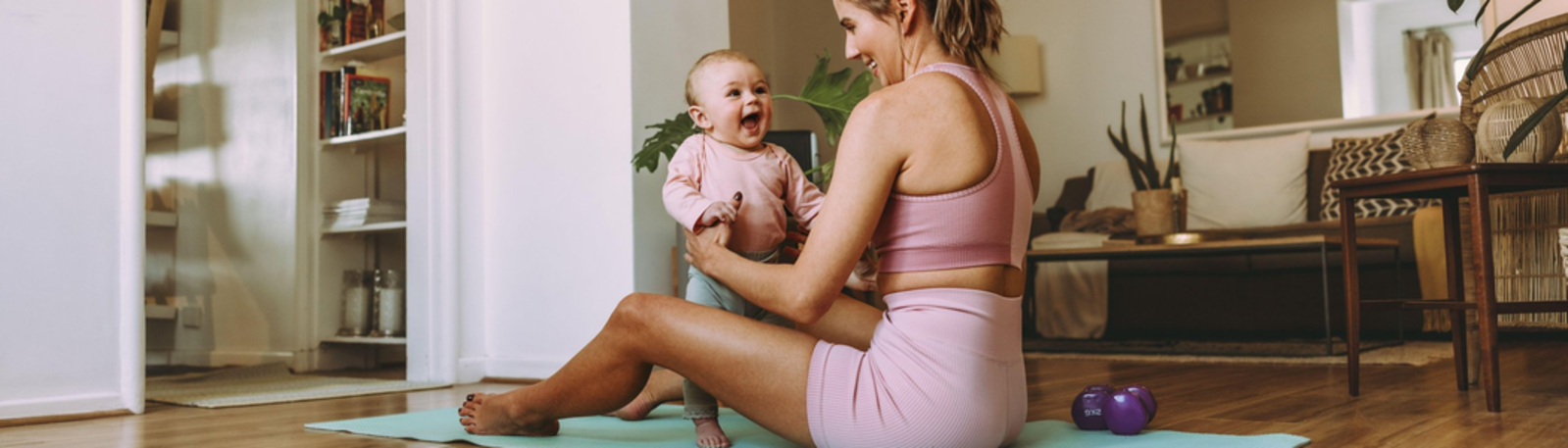
How soon you should start to lose weight after your baby is born depends on many things. Examples include how much weight you gained during your pregnancy, your pre-pregnancy weight and your general health status. If you want to lose weight, it's best to do so gradually.
Losing weight after giving birth can be challenging. Having a baby changes your life. Not sleeping enough and the stress of parenthood can make it harder to adopt healthy lifestyle habits.
You can safely start to lose weight after giving birth if you adopt a healthy and balanced diet (Opens in new tab) that does not put you at risk of becoming low in nutrients.
Reaching a healthy weight after pregnancy reduces your risks in future pregnancies as well as improving your long-term health.
Some people may not return to their pre-pregnancy weight after giving birth. The extra weight you carry can increase your risk of developing chronic health conditions such as:
The time it takes to return to exercise after you give birth varies for each person. It depends on factors such as:
You can begin pelvic floor exercises as soon as it's comfortable to do them. Start slowly and build up over time.
Read about how to have a safe return to exercise after pregnancy.
Breastfeeding can help with losing weight in the first 6 months after you give birth. If you breastfeed exclusively, you might lose weight faster. This is because your body uses a lot of energy to produce milk to feed your baby.
It is safe for you to lose weight while breastfeeding, as long as you maintain a balanced diet and take care to include all essential nutrients in your eating plan.
Read more about diet and healthy lifestyle while breastfeeding.
After you give birth, you can safely lose weight by eating well and exercising appropriately.
It's important to eat healthily after pregnancy so that:
Try to enjoy a variety of fresh foods, including:
Here are some tips to lose weight:
Breastfeeding and caring for a child can make you hungry. If you feel hungry, it is best to choose nutritious foods over processed foods high in fat (Opens in new tab) or sugar (Opens in new tab). It is also important that you drink plenty of water (Opens in new tab) too.
Fad diets, cleanses and detox diets are not recommended during pregnancy or breastfeeding. They may mean you miss out on specific foods or food groups. These diets might not contain all the nutrients you and your baby need.
If you are breastfeeding, losing weight too quickly may mean you don't give your baby enough nutrients. Gradual weight loss of about half a kilogram (500 grams) per week is safe while breastfeeding.
Here are some tips for slowly getting back into exercise after pregnancy:
You can talk to your doctor if:
Your doctor can give you advice on what weight is healthy for you, and how to reach it.
You can also visit a dietitian (Opens in new tab). They can:
You can find an accredited practising dietitian (Opens in new tab) on the Dietitians Australia website.
PANDA can provide mental health support during your first year of parenthood (Opens in new tab) in many community languages.
The Australian Breastfeeding Association has breastfeeding resources for Aboriginal and/or Torres Strait Islander people (Opens in new tab).
The Strong Women Strong Babies Pregnancy Diary (Opens in new tab) has information on how to look after yourself and your baby in pregnancy and the busy weeks after the birth.

Call Pregnancy, Birth and Baby to speak to a maternal child health nurse on 1800 882 436 (Opens in new tab) or video call. Available 7am to midnight (AET), 7 days a week.
Find out how we develop and review our content.
Last reviewed: March 2025


