
Speak to a maternal child health nurse
Call Pregnancy, Birth and Baby to speak to a maternal child health nurse on 1800 882 436 (Opens in new tab) or video call. Available 7am to midnight (AET), 7 days a week.


Menstruation, or having a period, happens about once a month and is when you bleed from your vagina. Each month, the lining of the uterus thickens in preparation for falling pregnant. If you don't fall pregnant, the excess lining of the uterus comes away and flows out through your vagina.
It is a normal part of the menstrual cycle.
The average length between periods is 28 days, but every woman's cycle is different and can change from month to month. Some women may have a cycle of around 21 days, other can be up to 38 days.
You can work out the length of your menstrual cycle by counting the days from the first day of your period until the first day of your next period.
The ovaries are 2 glands in the female body that produce eggs and release hormones that control your menstrual cycle.
Ovulation happens when an egg is released from one of the ovaries and travels down the fallopian tube where it will wait to be fertilised by a sperm.
Learn more about conception and fetal development.
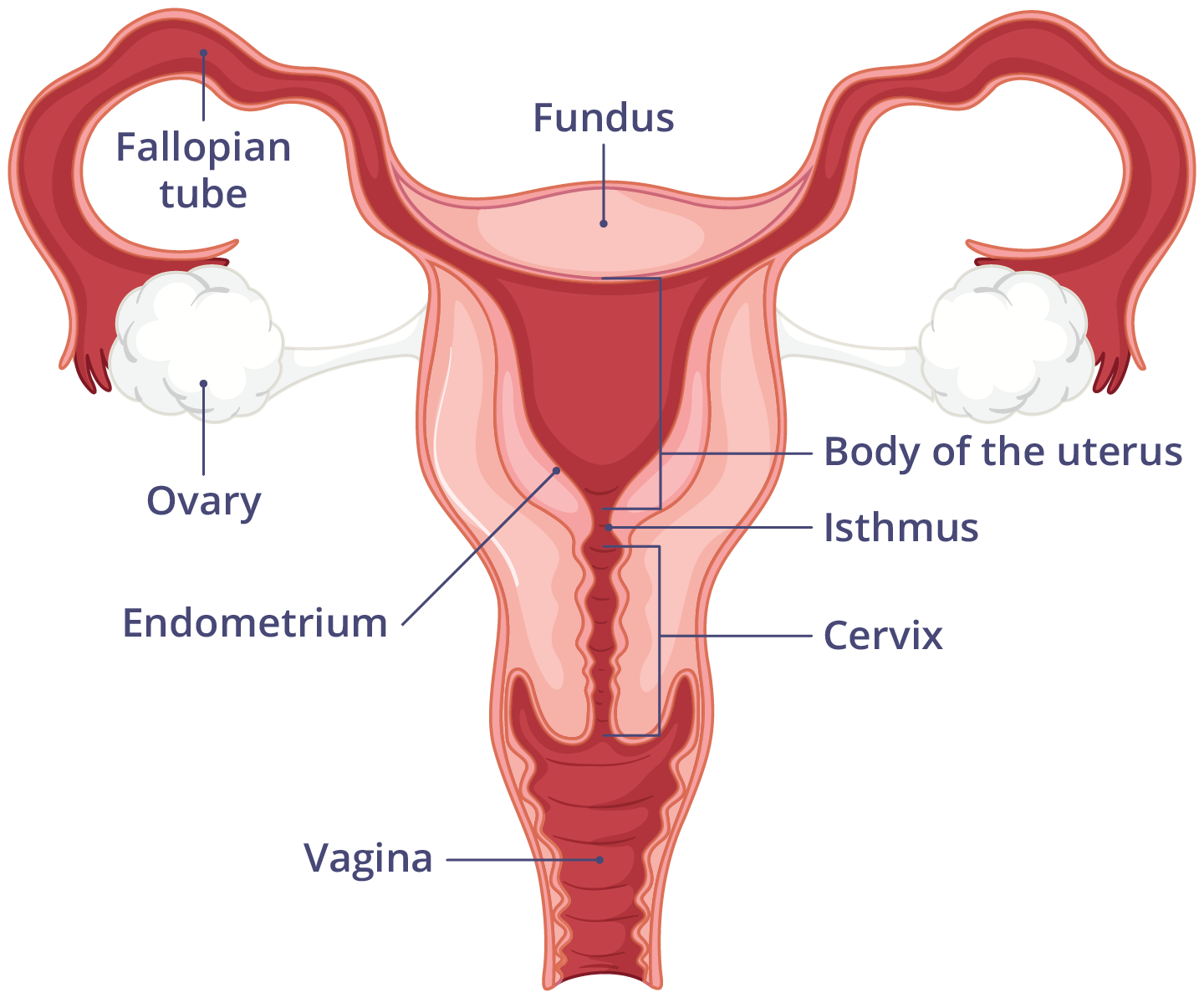
Illustration of the female reproductive system.
You are most likely to conceive during the 5 days before ovulation, along with the day you ovulate. Sperm can live up to 5 days inside your body, so if you have sex up to 5 days before your egg is released, you can get pregnant.
After ovulation, your egg can only live for 12 to 24 hours. After this time is up, your chance of getting pregnant is virtually zero until your next menstrual cycle.
Your chances of getting pregnant are at their highest in the 3 days leading up to and including ovulation.
Ovulation usually happens about halfway through your menstrual cycle. This is about 14 days before the first day of your next period in a typical 28-day cycle, but the exact time can vary. Signs that you are about to ovulate can be subtle. However, there are some things you can pay attention to and track over time to help you predict your fertile window.
Around the time of ovulation, you may notice your vaginal discharge is clear, stretchy and slippery — similar to egg whites. After ovulation, when the chances of becoming pregnant drop, vaginal discharge tends to become cloudy and thick, or disappear entirely.
When you've just ovulated, your body temperature may increase very slightly, by about half a degree Celsius. If you're using temperature to keep track of when you are most fertile, you need to use a special thermometer to take your temperature every morning before you get out of bed. If you record the readings every day using a graph or a spreadsheet, it's possible to learn your pattern over time. The time when you are most fertile is 2 to 3 days before the rise in temperature.
There may be other signs that you are near the time of ovulation, such as mild abdominal cramps, breast tenderness or increased sex drive. However, using these signs to predict when you're fertile is not the most reliable method.
Ovulation calculators and kits can also help you predict ovulation.
Ovulation calculators are available on websites such as Your Fertility (Opens in new tab). Use the date of your last period and the length of your cycle to predict when you are likely to be most fertile.
Home ovulation predictor kits are available from pharmacies. They test for a rise in the level of a hormone called luteinising hormone (LH) in your urine. You should use the kit a few days before your predicted ovulation day. A positive result indicates you will ovulate within the next 24 to 36 hours.
Your doctor can also arrange a blood test to check your progesterone levels, which can be used to detect ovulation.
If you are trying to get pregnant, there are some other things you should consider, such as:
Most healthy couples will conceive within a year of trying.
If you are under 35 years of age and have been trying to conceive for a year without success, see your doctor to discuss your options.
If you or your partner are over 35, you might like to see your doctor after trying to conceive for 6 months, as fertility decreases with age.
You should also consider seeing a doctor if you have a history of:
There are a number of tests that can be done for you and your partner to find out why you may be having problems conceiving.
You can find more information from:

Call Pregnancy, Birth and Baby to speak to a maternal child health nurse on 1800 882 436 (Opens in new tab) or video call. Available 7am to midnight (AET), 7 days a week.
Find out how we develop and review our content.
Last reviewed: January 2024


