Skip to content
Pregnancy, Birth and Baby homeAustralian Government, Department of Health, Disability and Ageing (Opens in new tab)
Pregnancy, Birth and Baby home
Need to talk? Call 1800 882 436.
It's a free call with a maternal child health nurse. *call charges may apply from your mobile.
Is it an emergency? Dial 000
If you need urgent medical help, call triple zero immediately.
  1. Home/
  2. Children/
  3. Your child's health/
  4. COVID-19 in babies and children

COVID-19 in babies and children

Warning:

If your child has difficulty breathing, call triple zero (000) immediately and ask for an ambulance. Tell the phone operator and the paramedics on arrival if you or your child has COVID-19.

Key facts

  • COVID-19 is an illness caused by a coronavirus infection.
  • Many babies and children who get COVID-19 have no symptoms or mild symptoms.
  • If your child has mild symptoms, they can be cared for at home.
  • Your child should stay at home until their symptoms have gone.
  • If your child aged 6 months to 5 years is at risk of severe COVID-19 disease, ask your doctor about vaccination against COVID-19.

On this page

  • What is COVID-19?
  • What are the symptoms of COVID-19 in children?
  • What causes COVID-19?
  • When should I see my doctor?
  • How is COVID-19 diagnosed?
  • How is COVID-19 treated?
  • Can COVID-19 be prevented in children?
  • Complications of COVID-19 in children
  • Resources and support

What is COVID-19?

COVID-19 is an illness caused by a coronavirus infection. It is very contagious (spreads easily between people). The illness can be mild, moderate or severe.

Children and babies can have COVID-19 without any symptoms. Most children have mild symptoms, like having a cold.

Between 2020 and 2023 COVID-19 was managed as a pandemic in Australia. It’s now treated in a similar way to other diseases that spread between people.

What are the symptoms of COVID-19 in children?

The most common symptoms of COVID-19 in children are:

  • fever (Opens in new tab)
  • runny nose
  • cough
  • sore throat
  • gastrointestinal symptoms, such as diarrhoea, nausea, vomiting and stomach ache

Other signs of COVID-19 are:

  • headache
  • fatigue (tiredness)
  • irritability
  • loss of taste or smell
  • loss of appetite or poor feeding
  • difficulty breathing

Children are less likely to get severe illness with COVID-19 than adults. Some children who get COVID-19 have no symptoms at all.

CHECK YOUR SYMPTOMS — Use the Symptom Checker and find out if you need to seek medical help.

What causes COVID-19?

COVID-19 is caused by a coronavirus called SARS-CoV-2.

How is COVID-19 spread?

The COVID-19 virus is spread through contact with infected people. This happens when:

  • the virus gets into the air when people with COVID-19 cough, sneeze, talk and breathe. You can then breathe in the virus.
  • you touch your eyes, nose or mouth after touching surfaces contaminated with the virus.

The virus spreads more easily in poorly ventilated and crowded indoor spaces.

People generally get COVID-19 symptoms about 3 days after exposure to the virus.

When should I see my doctor?

If your child has COVID-19, they could get worse over the first few days. It’s a good idea to watch them closely.

Make sure their breathing, eating and drinking are normal. Check they have a normal amount of urine (wee). If your child has vomiting or diarrhoea, keep them well hydrated. Learn how to identify dehydration (loss of fluids).

Trust your instincts and contact your doctor if your child's symptoms get worse or if you are concerned.

You should also see your doctor if your baby or child gets COVID-19 and they:

  • are younger than 3 months old
  • were premature (born early)
  • have a chronic (ongoing) illness
  • have problems with their immune system
  • have a physical or intellectual disability

Children with underlying illnesses can be more likely to get seriously ill with COVID-19.

When to get urgent care

Seek medical care straight away, or go to the emergency department, if your baby or child has severe symptoms such as:

  • trouble breathing
  • chest pain 
  • a fast pulse
  • feeling dizzy
  • feeling very weak or is difficult to wake

Babies and children with severe symptoms can be cared for in hospital.

FIND A HEALTH SERVICE — The Service Finder can help you find doctors, pharmacies, hospitals and other health services.

How is COVID-19 diagnosed?

COVID-19 can be diagnosed by testing a sample of saliva or mucus from your child’s mouth or nose. You can buy a rapid antigen test (RAT). Alternatively, your doctor may organise a polymerase chain reaction (PCR) test. This test uses the same kind of sample, but the sample is sent to a laboratory for testing.

How is COVID-19 treated?

There is no specific treatment for mild COVID-19 infections.

Self-care at home

If your child has mild symptoms, they can be cared for at home.

You can treat COVID-19 at home in the same way you would treat a bad cold or the flu:

  • Encourage your child to rest or offer extra naps.
  • Make sure they drink lots of fluids. For a baby this may mean extra feeds.
  • You can give paracetamol or ibuprofen for pain or fever (ibuprofen should not be used for children under 3 months of age).
  • Use a saline nose spray if their nose is blocked.

Antivirals

If your child tests positive to COVID-19 and is at very high risk of severe illness your specialist or hospital doctor may recommend antiviral treatment.

Does my child need to isolate at home?

There is no longer a legal requirement to stay home if you have COVID-19. However, it’s best to stay home to avoid spreading the illness to others.

If your child has COVID-19, keep them home from childcare or school until they are better. 

If your child tests positive for COVID-19, they should not visit high-risk places like hospitals and aged care homes.

Can COVID-19 be prevented in children?

Ways to help prevent people, including children and babies, from catching COVID include:

  • regular handwashing
  • physical distancing, especially from people who are sick
  • good ventilation to improve indoor air quality
  • wearing a face mask (Opens in new tab)

Teach your child to:

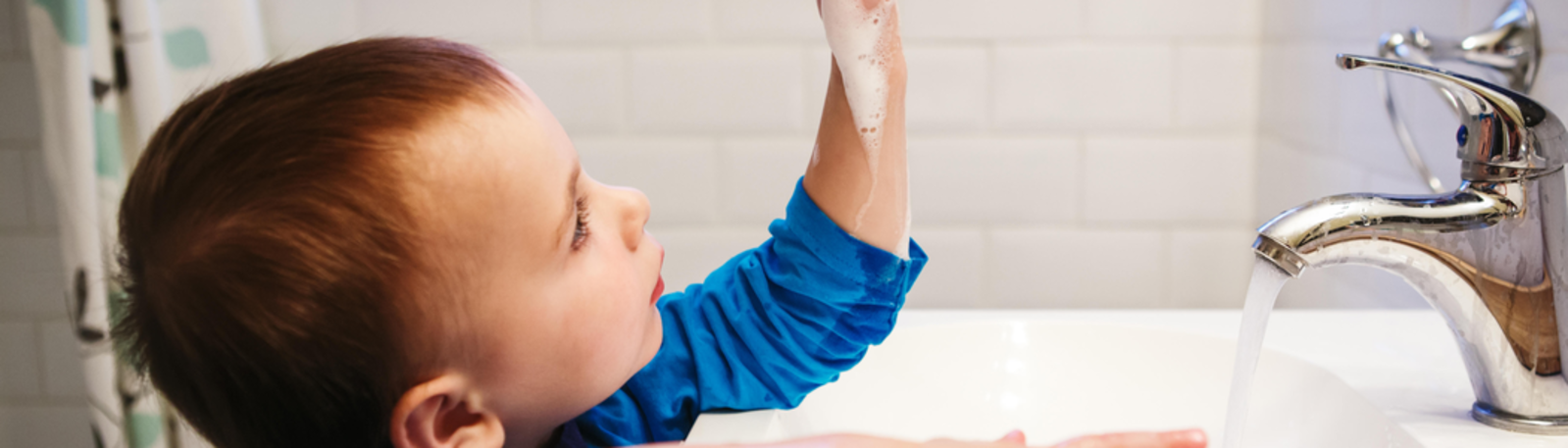
  • Wash their hands often with soap and water for 20 seconds, or use alcohol-based hand sanitiser.
  • Cough or sneeze into their elbow and away from other people.
  • Throw tissues away after use and wash hands afterwards.

You can improve ventilation by:

  • opening the windows 
  • using a fan
  • running the air conditioner or an air purifier that has a HEPA filter

Children aged under 5 are often exempt from needing a face mask. If you decide to use one, choose a mask that covers their nose, mouth and chin. Always supervise young children when they're wearing a mask.

Vaccination for COVID-19?

It's recommended that children aged between 6 months and 17 years who have medical conditions that increase their risk of severe COVID-19 disease are vaccinated. Talk with your doctor to find out if vaccination is suitable for your child.

Read frequently asked questions about COVID-19 vaccination (Opens in new tab).

Complications of COVID-19 in children

Some children may get complications after COVID-19 infection:

  • Long COVID — when symptoms continue for more than 12 weeks and impact everyday life. This may also be referred to as post-viral syndrome.
  • Loss of taste and smell — if this goes on for a long time it can affect your child’s appetite or mood.
  • Paediatric multisystem inflammatory syndrome — a rare but serious illness that involves swelling in many parts of their body. It develops 2 to 6 weeks after COVID-19.

Resources and support

You can speak with your doctor or child health nurse. They will be able to give you advice about COVID-19 for your child.

Visit the Department of Health, Disability and Ageing to learn more about COVID-19 vaccine advice and recommendations (Opens in new tab).

Find more support for parents.

Languages other than English.

Children’s Health Queensland (Opens in new tab) has resources in multiple languages. These include a storybook about COVID-19 (Opens in new tab) that you can read with your child. 

You can also call the healthdirect helpline on 1800 022 222 (known as NURSE-ON-CALL in Victoria). A registered nurse is available to speak with you 24 hours a day, 7 days a week. 

Speak to a maternal child health nurse

Call Pregnancy, Birth and Baby to speak to a maternal child health nurse on 1800 882 436 (Opens in new tab) or video call. Available 7am to midnight (AET), 7 days a week.

  • Australian Government Department of Health, Disability and Ageing — COVID-19 symptoms, spread and prevention (Opens in new tab) 
  • Australian Government Department of Health, Disability and Ageing — What we’re doing about COVID-19 (Opens in new tab)
  • Australian Government Department of Health, Disability and Ageing — COVID-19 vaccine advice and recommendations (Opens in new tab)
  • The Royal Children’s Hospital Melbourne — Coronavirus COVID-19 (Opens in new tab)  
  • Sydney Children’s hospital network — COVID-19 (Opens in new tab)
  • Australian Centre for Disease Control — COVID-19 (Opens in new tab)  
  • NSW Health — COVID-19 symptoms and how it spreads (Opens in new tab)  
  • WHO — Children and masks (Opens in new tab)
  • Children’s Health Queensland — COVID-19 (Opens in new tab)
  • Journal of Clinical Medicine - Carol M Kao — Overview of COVID-19 Infection, Treatment, and Prevention in Children (Opens in new tab)

Find out how we develop and review our content.


Last reviewed: April 2026

Need more information?

These trusted information partners have more on this topic.

Kids Health Info : Coronavirus COVID-19

Royal Children's Hospital logo
Learn more on Royal Children's Hospital website

Coronavirus (COVID-19) Victoria | Better Health Channel

What you need to know about COVID-19 in Victoria.
Better Health Channel logo
Learn more on Better Health Channel website

COVID-19 (coronavirus)

Health information and advice on the COVID-19 for the community.
WA Health logo
Learn more on WA Health website

COVID-19 health information | SA Health

Health information about coronavirus disease (COVID-19) for South Australians. Find COVID-19 testing clinics and read the latest health updates and advice on COVID-19.
SA Health logo
Learn more on SA Health website

COVID-19 & Hepatitis C FAQ | Hep C & Coronavirus | Hepatitis NSW

There’s no evidence that people living with hep C are at a higher risk of catching COVID-19. Find out all you need to know about COVID-19 & hep C here.
Hepatitis NSW logo
Learn more on Hepatitis NSW website

COVID-19 - qld.gov.au

COVID-19 health information for Queenslanders
Queensland Health logo
Learn more on Queensland Health website

About COVID-19 - qld.gov.au

What is COVID-19, symptoms and protecting yourself and others
Queensland Health logo
Learn more on Queensland Health website

COVID-19 factsheet

COVID-19 is a condition caused by a virus. It affects the airways and can cause issues with breathing.
Sydney Children's Hospitals Network logo
Learn more on Sydney Children's Hospitals Network website

COVID-19 cases and contacts

To help protect people most at risk from COVID-19, COVID-19 cases and close contacts should not visit high-risk settings, such as: hospitals residential disability, mental health and aged care facilities other healthcare settings (e.g. GP clinics, dental services, physiotherapy, Aboriginal Medical Services)
WA Health logo
Learn more on WA Health website

Medicines for COVID-19 - qld.gov.au

Oral medicines for COVID-19 (including antivirals) are now available for people at high risk of developing severe illness.
Queensland Health logo
Learn more on Queensland Health website

Related pages

  • COVID-19 and pregnancy
  • Testing positive to COVID-19 while pregnant

Search our site for

  • Cough
  • Breathing Difficulties

Find a health service

Search now

Need further advice or guidance from our maternal child health nurses?
1800 882 436 Video call
Logo for Pregnancy, Birth and Baby

Pregnancy, Birth and Baby is funded by the Australian Government and operated by Healthdirect Australia.

About

About Pregnancy, Birth and BabyAbout our contentInformation partnersOur privacy commitmentTerms of useHow we use AIPromotional material

Explore

A to Z topicsDue date calculatorFind local health servicesGlossary of pregnancy and labourPregnancy and parenting in picturesPregnancy and baby appsSymptom Checker (Opens in new tab)

Connect

Contact usVideo callNewslettersLinking to us (Opens in new tab)Consumer engagement (Opens in new tab)

Follow

Australian Government, Department of Health, Disability and AgeingLogo for healthdirect Australia

Pregnancy, Birth and Baby’s information and advice are developed and managed within a rigorous clinical governance framework (Opens in new tab).

This site is protected by reCAPTCHA and the Google Privay Policy (Opens in new tab) and Terms of Service (Opens in new tab) apply.

Healthdirect Australia acknowledges the Traditional Owners of Country throughout Australia and their continuing connection to land, sea and community. We pay our respects to the Traditional Owners and to Elders both past and present.

© 2026 Healthdirect Australia Limited

This information is for your general information and use only and is not intended to be used as medical advice and should not be used to diagnose, treat, cure or prevent any medical condition, nor should it be used for therapeutic purposes.
The information is not a substitute for independent professional advice and should not be used as an alternative to professional health care. If you have a particular medical problem, please consult a healthcare professional.
Except as permitted under the Copyright Act 1968, this publication or any part of it may not be reproduced, altered, adapted, stored and/or distributed in any form or by any means without the prior written permission of Healthdirect Australia.