

Your child's health
Anaphylaxis
Anaphylaxis is a severe allergic reaction needing urgent care. Learn about triggers, symptoms, treatment and what to do in an emergency.

Bow legs and knock knees in children
Bow legs and knock knees are a normal part of a child's growth and will usually correct naturally. Read more about causes and when to see your doctor.
Children and head injuries
Head injuries happen after any bump to the head. Find out about what to look for and do after head injuries in babies and young children.
Children's feet
Caring for your child's feet is important for their development. Learn how to look after your child's feet, choose footwear, and spot foot problems.
Clubfoot
Clubfoot is when one or both of your baby's feet are pointed and twisted. Some babies are born with it. Clubfoot does not hurt and can be treated.
Common childhood rashes
Childhood rashes, like eczema, ringworm, and impetigo are common. They often vanish on their own. Learn about symptoms and treatments.
Conjunctivitis
Conjunctivitis causes red, swollen eyes with discharge. It is common in young children and can be contagious. Learn how to protect your child’s eyes.
Constipation in children
Constipation in children is common and is not usually serious. Learn more about the symptoms, causes and treatment of constipation in children.
COVID-19 in babies and children
COVID-19 is an illness caused by a viral infection. Find out how it affects babies and children, including symptoms, treatment and preventing infection.
Ear infections in babies and children
Otitis media and outer ear infections are common in babies and young children. There are ways to manage your child's discomfort and treat infections.
Enterovirus in children
Enteroviruses cause a range of illnesses which are usually mild. You can help prevent the spread of enterovirus infection by practising good hygiene.
Eyesight in children
Good eyesight is important for your child's learning and development. Learn more about vision problems, glasses and what you can do to help.
Fifth disease (slapped cheek disease)
Fifth disease or 'slapped cheek disease' is a mild viral illness marked by a red rash that makes children's cheeks look like they've been slapped.
Hand, foot and mouth disease
Hand, foot and mouth disease is a common viral illness that mainly affects children under 10 years old but can also affect older children and adults.
Head lice and nits in children
Head lice are tiny insects that bite the skin and feed on blood. Read on for tips to help you treat and prevent head lice infestations in your child.
How to tell if your child is sick
Learn how to tell if your child is sick, recognise common symptoms and understand when to seek medical advice or call an ambulance.
Immunisation and vaccinations for your child
Vaccinations and immunisation protect babies and children. Read more on why and when to vaccinate your child, and about side effects and costs.
Immunisation or vaccination - what's the difference?
What's the difference between immunisation and vaccination? Find out how vaccines work and the difference between primary and booster doses.
Impetigo
Impetigo, or school sores, is a highly contagious skin infection that causes sores and blisters. It's very common and mainly affects children.
Itchy skin in babies and children
Learn about itchy skin in babies and children, including causes, symptoms, treatment options and tips to help soothe and prevent itching.
Looking after your baby or child’s teeth
Learn about tooth development in babies and children, brushing teeth, flossing, tooth decay, other dental problems and when to see a dentist.
Measles in babies and children
Find out about the symptoms of measles, how to help prevent your child catching measles and how to treat them at home if they get measles.
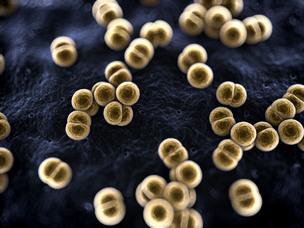
Meningococcal disease
Meningococcal disease is a serious infection that can develop very quickly; find out about the symptoms and when to get medical attention.
Mumps in babies and children
Find out how babies and children catch mumps, what symptoms to look for, and how to treat your child at home. Learn when vaccination is recommended.
Norovirus in babies and children
Norovirus is a contagious virus that causes inflammation of your child’s stomach and intestines. Read about the symptoms and treatment of norovirus.
Physical activity and exercise for children
Here is advice about how much daily exercise your child needs for good health and fitness and how you can encourage your child to be more active.
Playing with your child
Play helps your child to develop valuable skills for life. Learn about the importance of play, and how to support your child through play.
Raising bilingual children
Being bilingual means that you can speak 2 languages. Learn more about how speaking multiple languages can benefit your child's development.
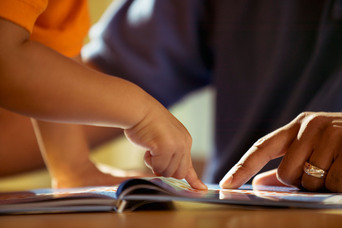
Reading to your child
Reading regularly with children from a young age stimulates their brain development and strengthens parent-child relationships. This helps to build language, literacy, and social-emotional skills
Respiratory syncytial virus (RSV)
RSV is a virus that causes infection in the lungs and airways. Read on to learn more about symptoms, diagnosis, management and prevention.
Rubella in babies and children
Find out more about the symptoms of rubella, when your child should see a doctor, how to care for a sick child at home, and how the disease spreads.
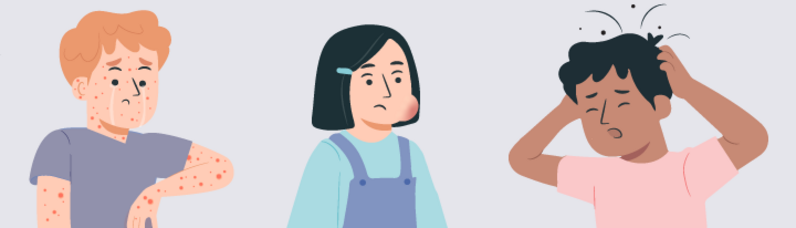
School exclusion periods - infographic
If your child has an infectious condition, you may need to keep them home from day care or school to stop it from spreading. Here's a list of common childhood illnesses and their recommended exclusion periods.
School readiness and preparing for school
Learn the signs that your child may be ready for school, and read about how to prepare them to start school with skills and confidence.
Seizures in children
Seeing your child have a seizure can be frightening. Learn what to do if your child has a seizure and read about the causes and treatments.
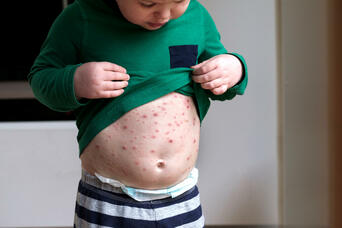
Serious childhood rashes
Some childhood rashes can be serious. Learn warning signs, common causes and when your child needs medical care or urgent help.
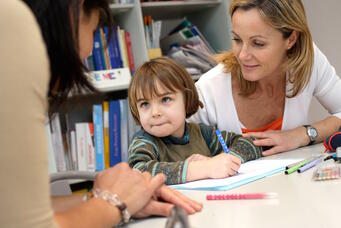
Speech problems in children
Speech problems are common in young children. Some speech troubles can indicate a speech or development delay. Find out when to seek further advice.
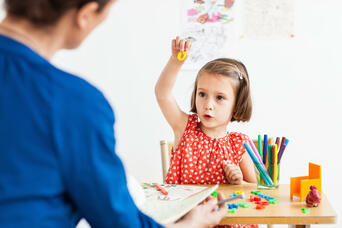
Stuttering in children
Stuttering (stammering) is a speech disorder that usually start between 3 and 4 years of age. Learn more about stuttering and when to seek help.
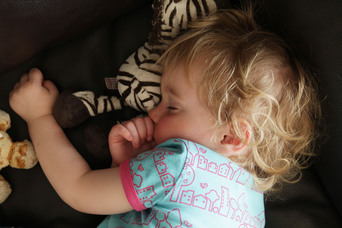
Teeth grinding (bruxism) in children
Find out about teeth grinding and clenching (called bruxism) in children, including signs of teeth grinding and available treatments.
Types of thermometers
There are several different types of thermometers you can use to check your baby’s temperature.
Urinary tract infections (UTIs) in children
A urinary tract infection (UTI) is a bacterial infection in the urinary tract. Learn about the symptoms, diagnosis and treatment of UTIs in children.
Vomiting in children
Learn more about what can cause vomiting in children. Read our tips to help you manage the symptoms and know when you should see a doctor.
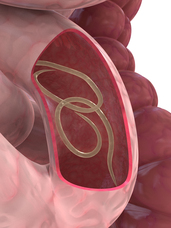
Worms in humans
Several types of intestinal worms may infect people in Australia, but threadworms are the most common. Learn about symptoms and treatment of worms.