Skip to content
Pregnancy, Birth and Baby homeAustralian Government, Department of Health, Disability and Ageing (Opens in new tab)
Pregnancy, Birth and Baby home
Need to talk? Call 1800 882 436.
It's a free call with a maternal child health nurse. *call charges may apply from your mobile.
Is it an emergency? Dial 000
If you need urgent medical help, call triple zero immediately.
  1. Home/
  2. Children/
  3. Healthy eating for kids/
  4. Fussy eating in toddlers and children

Fussy eating in toddlers and children

Key facts

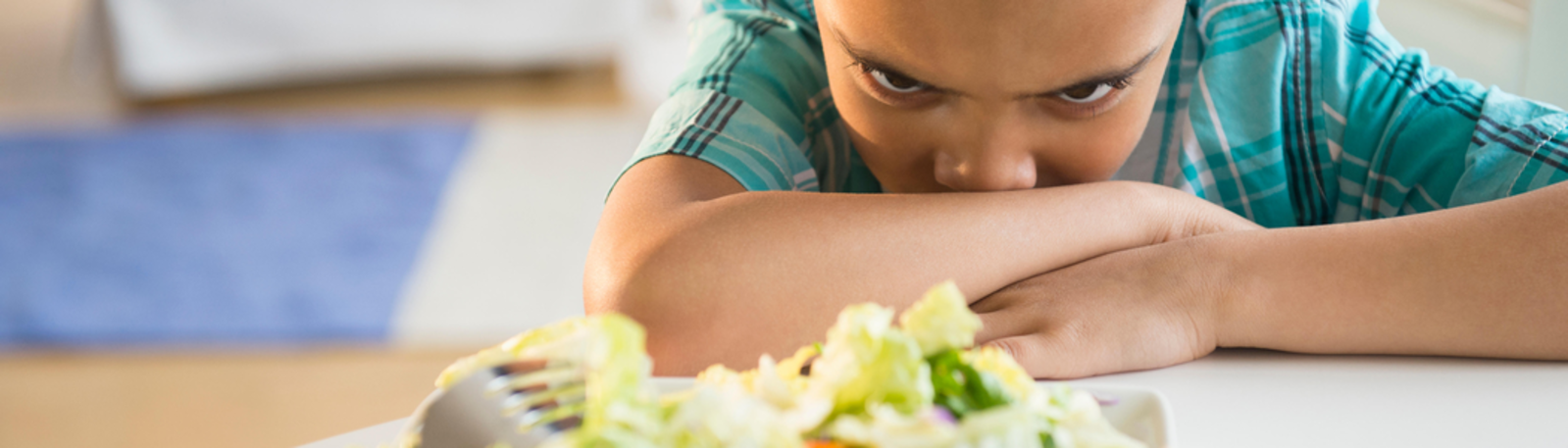
  • Fussy eating in children is normal, but it can be frustrating.
  • Children may need to try a new food 10 or more times before they accept it.
  • Creating positive food experiences can help your child try new foods — let them have some control over food choices and explore food with all their senses.
  • You can help your child eat well by having a routine for mealtimes and having your own positive attitude towards eating.

On this page

  • What is fussy eating?
  • How much food should my child eat?
  • What should I do if my child is a fussy eater?
  • How do I get my child to try new foods?
  • When should I get help for fussy eating?
  • Resources and Support

What is fussy eating?

Fussy eating is a normal part of development. Many children, especially toddlers, are picky eaters.

Fussy or picky eating is when your child:

  • only wants to eat from a small selection of foods
  • wants to eat the same thing every day
  • likes a food one day, and avoids it the next
  • has a different appetite at every meal

Your child may also avoid new foods based on their:

  • shapes
  • textures
  • colours
  • flavours

This is known as food neophobia (fear of new foods).

At first, all your baby’s nutrition will come from breastmilk or formula, which usually tastes sweet. This leads to young children often preferring sweet foods. They may avoid bitter foods. This is one reason why your child may not want to eat vegetables.

These behaviours are normal for young children, but they can be frustrating. There are things you can do to encourage your child to try at least a few bites of nutritious food at each meal. This can help keep them healthy and build a positive relationship with food.

How much food should my child eat?

How much food your child needs depends on their age.

It’s important to offer food from the 5 food groups in your child’s daily routine. Each day, children aged 1 to 13 should have:

  • ½ to 2 serves of fruit
  • 2 to 5½ serves of vegetables
  • 4 to 6 serves of grain
  • 1 to 2½ serves of protein
  • 1 to 3½ serves of dairy

When they reach adolescence, your child should aim to eat:

  • 2 serves of fruit a day
  • 5 to 5½ serves of vegetables a day
  • 7 serves of grain a day
  • 2½ serves of protein a day
  • 3½ serves of dairy a day

You can read more about healthy eating for your child.

What should I do if my child is a fussy eater?

If your child is a fussy eater, there are strategies you can use to help them get the nutrients they need to grow and develop.

Serve a variety of foods

No single food is essential to a child's diet. Giving your child a variety of foods can help meet their nutritional needs even if they are a picky eater. If they refuse to eat a food, a substitute can often be found that provides the nutrients they need.

If your child will not drink milk, you can offer them cheese and yoghurt.

If your child will not eat cooked vegetables for dinner, you can offer more fruits or try raw vegetables like:

  • celery
  • snow peas
  • beans
  • carrots
  • cucumber

If your child will not eat red meat, they can get the iron and protein (Opens in new tab) they need from:

  • beans, lentils and tofu
  • iron-fortified breakfast cereals
  • dairy foods like cheese, milk and yoghurt
  • eggs
  • peanut butter or hummus
  • wholemeal bread

You can also serve the same food in different ways. Try:

  • serving food cooled instead of warm
  • serving vegetables in a different form or shape, such as by grating them
  • cooking mince instead of pieces of meat that need to be chewed

Choose healthy foods and snacks

If your child is a fussy eater, try to give them the most nutritious food options. This way, fruits and vegetables are not replaced by ‘sometimes’ foods.

Here are some tips:

  • Make it easy for your child to choose healthy snacks. Keep fruit, vegetables, yoghurt, nuts, wholegrain crackers and cheese on hand.
  • Choose healthy recipes that include good sources of protein and fibre.
  • Use healthier cooking methods. These include grilling, roasting and steaming instead of frying.
  • Avoid relying on fast food, chips, sweets, biscuits, soft drinks and juices.

Don’t ban your child’s favourite snacks if they are sometimes foods. Instead, enjoy them 'once in a while' or occasionally. This way, your child doesn’t have to feel that they’re missing out.

Have a mealtime routine

Having a routine can help your child build good eating habits.

Family meals can be a comforting ritual for you and your child.

Try to have family meals at the same time every night. A regular routine can help your child :

  • know when it’s time to eat
  • prepare for meals
  • feel more secure
  • avoid spoiling their appetite
  • learn about food with you

Family meals are a very important chance for you, your child and your family members to talk together. This can help you create positive eating experiences.

It’s best for your child to eat with the television and any other screens switched off. This can help your child to focus on their food and avoid distractions.

Family meals also provide an opportunity to introduce your child to new foods. If your child sees family members eating a food, they may be encouraged to try it.

Try to offer snacks at set times that are not close to mealtimes. This can help your child to keep their appetite for meals. It is also important to avoid milk or juice before meals.

Be a good role model

Children will learn from and imitate the adults they see every day. So, the best way for you to encourage good eating habits is to eat well yourself. You can be a good role model if you:

  • eat fruits and vegetables
  • keep a positive attitude towards food and your body image
  • don’t overindulge in less nutritious foods
  • serve yourself healthy portions of food

It is also important to teach your child to recognise when they are full. This is especially important with younger children. You can try saying 'this is delicious, but I am full, so I am going to stop eating’.

Make food fun

Food should be enjoyed, even if it’s not all eaten. Making food fun can encourage your child to eat their food. You can try:

  • cutting sandwiches into shapes
  • making meals with different colourful healthy foods
  • letting your child pick their favourite plate, bowl or cup

For a toddler, enjoying food often means feeling and playing with it. They experience food with all their senses. Let children feed themselves as soon as they are interested. Hands are as good as spoons, even if they are messier!

Avoid conflict over food

It’s easy for food to become a source of conflict. Try and avoid things like:

  • rewarding or bribing your child with snacks if they eat the healthy food in front of them
  • punishing your child if they do not finish what’s on their plate
  • force feeding your child

It is important to avoid these behaviours. Doing these things can make your child:

  • think that snacks are better than their healthy food
  • ignore their body’s hunger cues
  • develop unhealthy ideas about food

Conflict over food can also cause stress, which can affect your child’s appetite.

Instead, you can:

  • keep rejected food safely in the fridge — it can be offered again later
  • reward your child with things other than food — these could include hugs, praise, a visit to the park or playing their favourite game
  • give your child some choice and control in what they eat

Making choices is an important part of social development. While you can control what foods are served to your child, let your child decide:

  • if they’re hungry
  • what they will eat from the foods served
  • in what order they will eat the foods served
  • when they’re full

You can keep control and still give your child choice. You can try asking questions like:

  • Which morning tea snack would you like — a piece of fruit or a sandwich?
  • Should we buy red or green apples this week?
  • Which cup would you like to drink your water from — the blue one or the red one?

Involve your child in food

You can help your child develop an enthusiasm for food by including them in the process of:

  • meal planning
  • grocery shopping
  • cooking
  • serving food
  • cleaning up after meals

Most children will enjoy helping with meals, including dinners and school lunches. Planning a meal together is a good chance to talk to your child about making healthy choices. This can help teach your child to make healthy eating decisions later in their life.

You can:

  • look for recipes that contain ingredients your child likes — you can bring your child shopping with you and pick healthy ingredients together
  • give your child age-appropriate tasks to help prepare the meal — help them so they don’t injure themselves or feel overwhelmed
  • after the meal, praise them for trying new foods and thank them for their help

How do I get my child to try new foods?

Introducing new food to young children requires patience. It can take more than 10 tries for a child to accept and enjoy new foods. If your child refuses a new food, keep offering it to them.

When your child accepts a new food to try, they might not actually eat it at first. They might investigate it in other ways, such as through:

  • touch
  • smell
  • sight

It’s good to let them engage their senses and “play with their food”. You can talk with them about it.

It can also be helpful to:

  • reassure your child that it’s okay to not like something
  • introduce a new food alongside a food your child likes
  • introduce one new food at a time

If you want to try making a new meal, you might introduce each of the ingredients to your child first.

When should I get help for fussy eating?

It can be helpful to remember that fussy eating is a normal behaviour in children.

Try not to worry if your child doesn’t eat or only eats a small amount. It’s best to stay calm and positive. Children can sense if their parents are worried — this can affect their appetite.

If your child is healthy and growing well, they’re probably eating enough food. A healthy child who refuses to eat often isn’t hungry and doesn’t need food right now.

Fussy eating can sometimes be linked to:

  • digestive problems
  • dental issues
  • sensory concerns like autism
  • eating disorders

It’s a good idea to seek advice if you are worried about your child's growth or overall nutrition. Check with your doctor, child health nurse or a dietitian if your child:

  • is not growing normally
  • only eats a very small range of foods
  • will not eat entire food groups (such as vegetables or protein)
  • consistently refuses food
  • shows physical discomfort or pain when eating

Resources and Support

You can learn more about:

  • fussy eating (Opens in new tab) from the Sydney Children’s Hospitals Network
  • guidelines for fussy eating (Opens in new tab) on the Queensland Health website
  • nutrition for babies, toddlers (Opens in new tab) and school age children (Opens in new tab) from The Royal Children’s Hospital Melbourne

Languages other than English

The Raising Children Network has information about getting your child to eat breakfast in multiple languages including:

  • English (Opens in new tab)
  • Arabic (Opens in new tab)
  • Dari (Opens in new tab)
  • Karen (Opens in new tab)
  • Chinese (Simplified) (Opens in new tab)
  • Farsi (Persian) (Opens in new tab)
  • Vietnamese (Opens in new tab)

You can also read about positive eating practices from the Australian Government Department of Health and Ageing in:

  • English (Opens in new tab)
  • Arabic (Opens in new tab)
  • Indonesian (Opens in new tab)
  • Malay (Opens in new tab)
  • Tagalog (Filipino) (Opens in new tab)
  • Vietnamese (Opens in new tab)
  • Chinese (Traditional) (Opens in new tab)
  • Korean (Opens in new tab)
  • Spanish (Opens in new tab)
  • Turkish (Opens in new tab)

Information for Aboriginal and/or Torres Strait Islander peoples

You can read Get Up & Grow (Opens in new tab) resources for Aboriginal and Torres Strait Islander peoples including:

  • First foods (Opens in new tab)
  • Healthy foods, strong kids 1 to 5 years (Opens in new tab)
  • Good drinks for our kids (Opens in new tab)

Speak to a maternal child health nurse

Call Pregnancy, Birth and Baby to speak to a maternal child health nurse on 1800 882 436 (Opens in new tab) or video call. Available 7am to midnight (AET), 7 days a week.

  • Appetite —  Food neophobia and ‘picky/fussy’ eating in children: A review (Opens in new tab)
  • Queensland Government — Guidelines for fussy eating (Opens in new tab)
  • The Royal Children's Hospital Melbourne — Typical and Problematic Feeding and Mealtime Behaviours (Opens in new tab)
  • NSW Government — Encouraging Children To Try New Foods And Managing Fussy Eaters (Opens in new tab)
  • NSW Government — Fussy Eating (Opens in new tab)
  • The Sydney Children’s Hospitals Network — Food exploration (Opens in new tab)
  • The Sydney Children’s Hospitals Network — Typical and problematic feeding (Opens in new tab)
  • The Sydney Children’s Hospitals Network — Supporting food independence (Opens in new tab)
  • The Sydney Children’s Hospitals Network — Managing mealtimes (Opens in new tab)
  • The Sydney Children’s Hospitals Network — Understanding feeding and mealtime behaviours (Opens in new tab)
  • Eat for Health — Recommended number of serves for children, adolescents and toddlers (Opens in new tab)

Find out how we develop and review our content.


Last reviewed: April 2026

Need more information?

These trusted information partners have more on this topic.

Fussy eating in children

Helping navigate the challenges of your child's food preferences while still promoting balanced and nutritious intake.
Sydney Children's Hospitals Network logo
Learn more on Sydney Children's Hospitals Network website

Healthy Eating Active Living - Fussy eaters

Healthy Eating Active Living NSW logo
Learn more on Healthy Eating Active Living NSW website

Safe Food Guide For Pregnancy – Ngala

You may find during pregnancy that you need to change your eating and drinking habits. To meet the extra demands of pregnancy you may need to consume more nutritious foods...
Ngala logo
Learn more on Ngala website

Starting Solids Guide | Karitane Expert Feeding Advice

Download Karitane’s starting solids guide for step-by-step instructions on introducing new foods and developing healthy eating habits.
Karitane logo
Learn more on Karitane website

The pregnancy healthy eating guide – Ngala

You may find during pregnancy that you need to change your eating and drinking habits. To meet the extra demands of pregnancy you may need to consume more nutritious foods...
Ngala logo
Learn more on Ngala website

Tips for healthy eating • Preventive Health SA

See some practical tips to eat more of each of the five food groups here; start small and try one new healthy ‘habit’ each week.
SA Health logo
Learn more on SA Health website

Food poisoning | NT.GOV.AU

Report food safety issues, food poisoning symptoms and when to get medical help.
NT Health logo
Learn more on NT Health website

Food allergy basics - Food Allergy Aware

The Food Allergy Aware website is a resource hub with information and practical resources to manage food allergies.
National Allergy Strategy logo
Learn more on National Allergy Strategy website

Food allergy or food intolerance? - Allergy & Anaphylaxis Australia

Learn the difference between food allergy, food intolerance and coeliac disease.
Allergy and Anaphylaxis Australia logo
Learn more on Allergy and Anaphylaxis Australia website

Hospital - Food Allergy Aware

The Food Allergy Aware website is a resource hub with information and practical resources to manage food allergies.
National Allergy Strategy logo
Learn more on National Allergy Strategy website

Search our site for

  • Nutrition Guidelines
  • Healthy Diet

Find a health service

Search now

Need further advice or guidance from our maternal child health nurses?
1800 882 436 Video call
Logo for Pregnancy, Birth and Baby

Pregnancy, Birth and Baby is funded by the Australian Government and operated by Healthdirect Australia.

About

About Pregnancy, Birth and BabyAbout our contentInformation partnersOur privacy commitmentTerms of useHow we use AIPromotional material

Explore

A to Z topicsDue date calculatorFind local health servicesGlossary of pregnancy and labourPregnancy and parenting in picturesPregnancy and baby appsSymptom Checker (Opens in new tab)

Connect

Contact usVideo callNewslettersLinking to us (Opens in new tab)Consumer engagement (Opens in new tab)

Follow

Australian Government, Department of Health, Disability and AgeingLogo for healthdirect Australia

Pregnancy, Birth and Baby’s information and advice are developed and managed within a rigorous clinical governance framework (Opens in new tab).

This site is protected by reCAPTCHA and the Google Privay Policy (Opens in new tab) and Terms of Service (Opens in new tab) apply.

Healthdirect Australia acknowledges the Traditional Owners of Country throughout Australia and their continuing connection to land, sea and community. We pay our respects to the Traditional Owners and to Elders both past and present.

© 2026 Healthdirect Australia Limited

This information is for your general information and use only and is not intended to be used as medical advice and should not be used to diagnose, treat, cure or prevent any medical condition, nor should it be used for therapeutic purposes.
The information is not a substitute for independent professional advice and should not be used as an alternative to professional health care. If you have a particular medical problem, please consult a healthcare professional.
Except as permitted under the Copyright Act 1968, this publication or any part of it may not be reproduced, altered, adapted, stored and/or distributed in any form or by any means without the prior written permission of Healthdirect Australia.